“Highlights Continuity, Student Support, and Fiscal Planning“
- Background and Experience
- Achievements During Her Tenure
- Class Size and Staffing
- Budget Pressures and Staffing Levels
- Technology, Devices, and Screen Time
- Artificial Intelligence Policy
- Unified Sports and Article 14
- Preparing for a New Superintendent
- Educational Priorities and Civic Engagement
- Closing Message
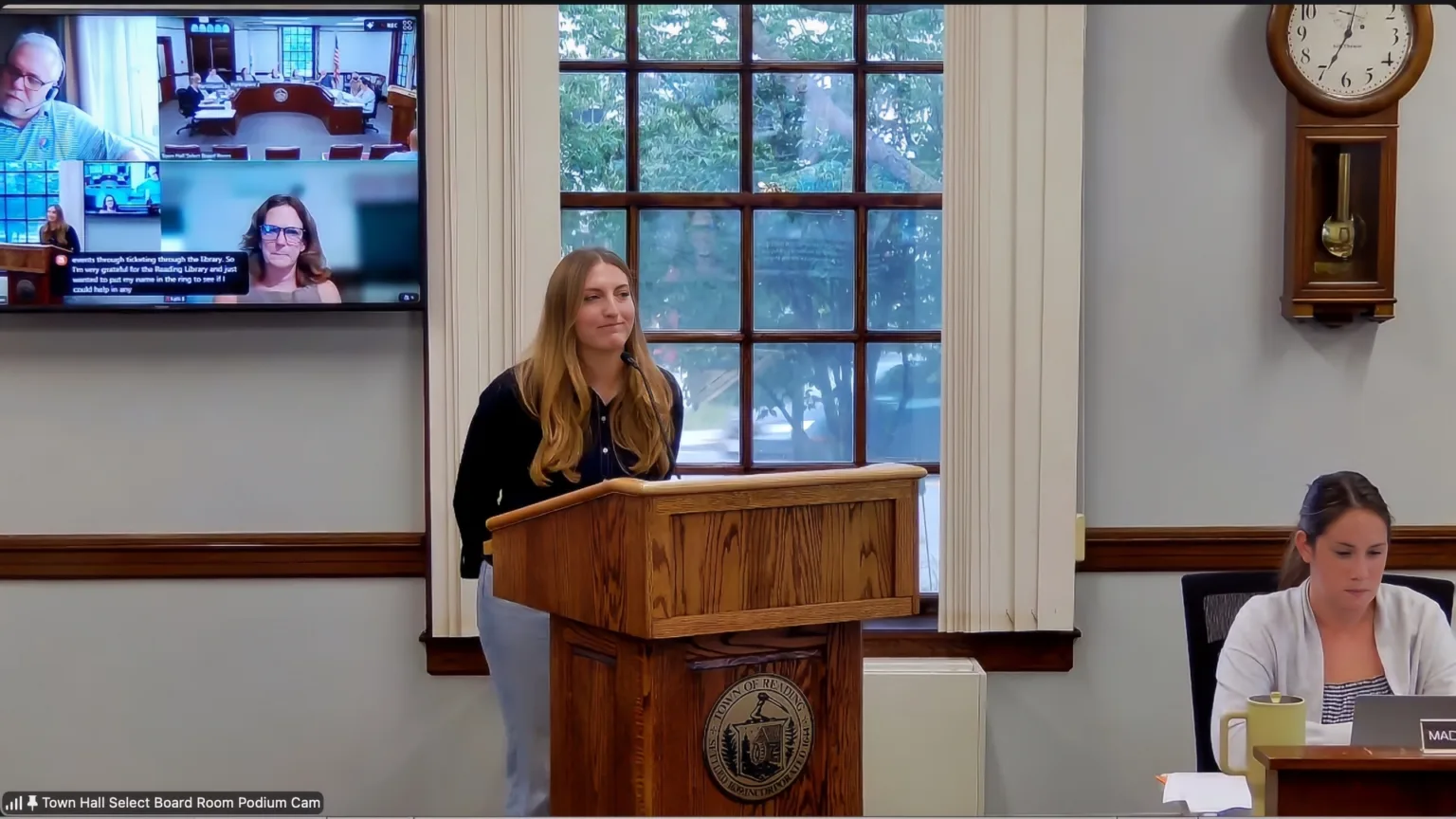
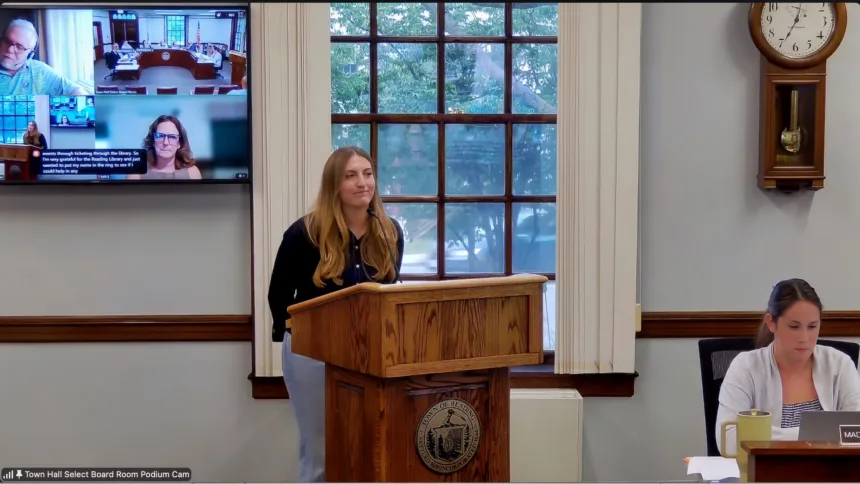
School Committee incumbent Erin Gaffen used a recent candidate forum hosted by Reading Recap to emphasize continuity of leadership, student‑centered decision‑making, and careful financial planning as she seeks re‑election in the April 7th municipal election.
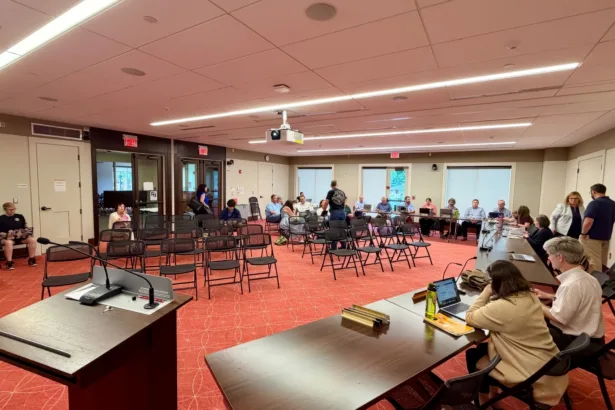
Gaffen was one of three candidates to participate in the March 27th School Committee forum, which focused on committee responsibilities, budget pressures, class sizes, technology use, and emerging policy issues facing Reading Public Schools.
Background and Experience
In her opening statement, Gaffen noted that she has lived in Reading for approximately 20 years and has served on the School Committee for the past six years. She described her perspective as a “360‑degree view” of the district, shaped by her background as a former special educator and administrator, her role as a Town Meeting member, and her work as a local realtor.
Gaffen also emphasized her experience as a parent, with three children at different stages of their educational journeys, saying those day‑to‑day experiences help ground her decisions in the realities faced by families.
Achievements During Her Tenure
Gaffen cited several major initiatives completed during her time on the committee, including the implementation of universal full‑day kindergarten, strengthening academic pathways in math and literacy, and securing support for the new Killam Elementary School.
She said she is particularly proud not only of the outcomes, but of the process, describing the School Committee as a body that engages in respectful debate, challenges administration when necessary, and remains focused on student needs.
Class Size and Staffing
Asked about class size disparities across schools, Gaffen acknowledged that the issue remains a frequent concern among families. She said the district follows clear guidelines, with K–2 classes capped at 22 students and grades 3–5 capped at 25, adding that the administration has improved adherence to those expectations in recent years.
Gaffen explained that maintaining neighborhood schools while balancing fluctuating enrollment presents ongoing challenges, particularly at the kindergarten level where projections vary. She said the committee and administration review class sizes annually and continue to adjust staffing where possible.
Budget Pressures and Staffing Levels
When questioned about the growth in district staffing and potential budget constraints, Gaffen strongly defended investments made in recent years, including instructional coaches, counselors, and assistant principals.
She said those positions have contributed directly to student achievement and school stability by supporting teachers, addressing social‑emotional needs, and keeping students in‑district for specialized services. Gaffen argued that cutting support positions could ultimately increase costs by forcing the district to rely more heavily on out‑of‑district placements.
Rather than reducing staffing, she said her preference would be to examine enrollment distribution and class combinations before considering eliminations.
Technology, Devices, and Screen Time
Gaffen described technology use in schools as a “delicate balance,” particularly at the elementary level. While acknowledging concerns about screen time, she said classrooms continue to rely heavily on physical books, handwriting instruction, and traditional learning materials.
She emphasized that increasing digital literacy is unavoidable given state testing requirements and the broader direction of curriculum, noting that digital tools allow educators to access data more efficiently and support instruction.
Gaffen distinguished educational technology from cell phones and social media, which she said require separate consideration.
Artificial Intelligence Policy
Gaffen said she believes it is time for Reading to adopt a formal policy on artificial intelligence, particularly concerning student use. She described AI as a potentially valuable tool but stressed the importance of teaching students digital literacy and ethical boundaries.
Rather than attempting to prevent AI use outright, Gaffen said schools should focus on helping students understand how to use such tools responsibly while preserving original thinking, writing skills, and academic integrity.
Unified Sports and Article 14
On the topic of Article 14 and funding for Unified Sports, Gaffen expressed strong support for both Unified and adaptive sports programs, calling them an essential part of the district.
She said Unified Sports should be permanently funded and not subject to recurring debate. While the article itself has not formally come before the School Committee, Gaffen said she would support any sustainable funding mechanism, including the proposed use of Burbank Ice Arena revenue, that ensures long‑term stability for the program.
Preparing for a New Superintendent
Looking ahead to the hiring of a new superintendent, Gaffen said her priority would be ensuring a smooth transition while maintaining the district’s positive momentum.
She emphasized the importance of spending time listening to staff, students, families, and town officials before making significant changes. Gaffen cautioned against altering direction simply for the sake of change, noting that Reading Public Schools are currently making strong progress under the existing strategic plan.
She said understanding the budget and preparing for a potential future override will also be critical for the incoming superintendent.
Educational Priorities and Civic Engagement
Asked what students should graduate knowing beyond core academics, Gaffen pointed to civic responsibility and community engagement. She said schools should help students understand their role within the larger community and encourage volunteerism and service.
Gaffen also highlighted the importance of maintaining innovation at the high school level, including expanded course offerings, innovation pathways, and revised math pathways, saying she wants to ensure those initiatives remain protected during times of financial pressure.
Closing Message
In her closing remarks, Gaffen said she is running for re‑election because of the progress the district has made and her desire to ensure that momentum is not lost during upcoming transitions.
She emphasized steady leadership, collaboration, fiscal responsibility, and keeping students at the center of decision‑making. Gaffen encouraged residents to vote early or on Election Day, April 7th, and said she remains optimistic about the future of Reading Public Schools.
You can watch the full forum below. We’ll be highlighting each participant with individual articles over the course of the week.