“Article 14 debate turns tense before committee rallies behind unified sports“
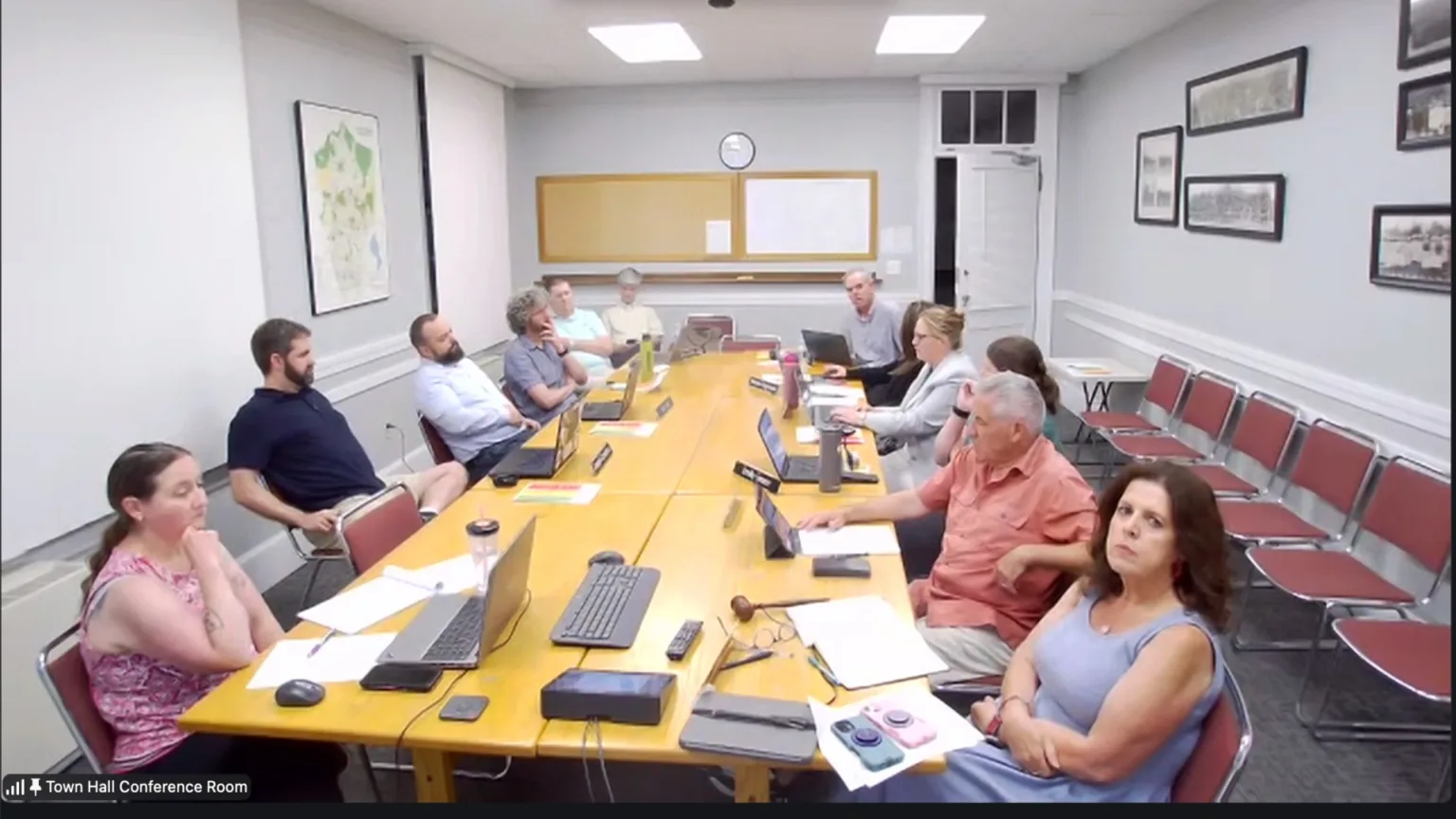
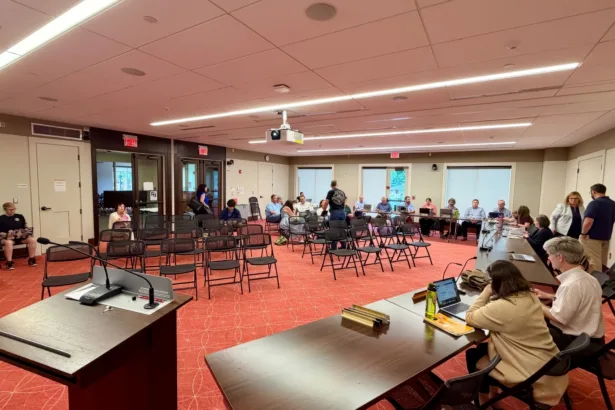
What was expected to be a routine Recreation Committee meeting Monday night instead became a prolonged and emotionally charged debate, as discussion surrounding Article 14, a proposal tied to unified and adaptive sports funding, dominated the evening.
Sparks flew during a segment that was originally slated as a standard agenda item but ultimately exposed deep disagreements over process, funding, and perception, rather than the merits of the programs themselves.
A Celebrated Figure Sets the Tone
The meeting began on an appreciative note with remarks from Peter Coumounduros, longtime leader of Friends of Reading Recreation, who announced he would be stepping down after more than 20 years of service to the town. Coumounduros was credited by committee members with helping establish many of Reading’s most recognizable community traditions, including the annual fireworks display at Birch Meadow, which his organization sponsors each year.
Multiple committee members praised his work in building community connections through recreation, setting a tone of gratitude and reflection before the evening moved into more contentious territory.
Article 14: Support Widely Shared, Process Hotly Debated
The discussion then turned to Article 14, a Town Meeting warrant article proposing the creation of stabilization funds, sourced from Burbank Ice Arena rental revenue, to support both unified sports through the schools and adaptive and therapeutic recreation programming through the town.
Throughout the debate, Recreation Committee members repeatedly emphasized that there was universal support among them for unified and adaptive sports. The disagreement, they stressed, was not about whether the programs should exist, but rather how they should be funded and whether the proposed financial mechanism was appropriate and sustainable.
Committee members described the proposal as seed money, intended to help launch and expand programming that has long faced financial barriers, particularly for residents with disabilities across all age groups, including seniors.
Public Comment Intensifies the Debate
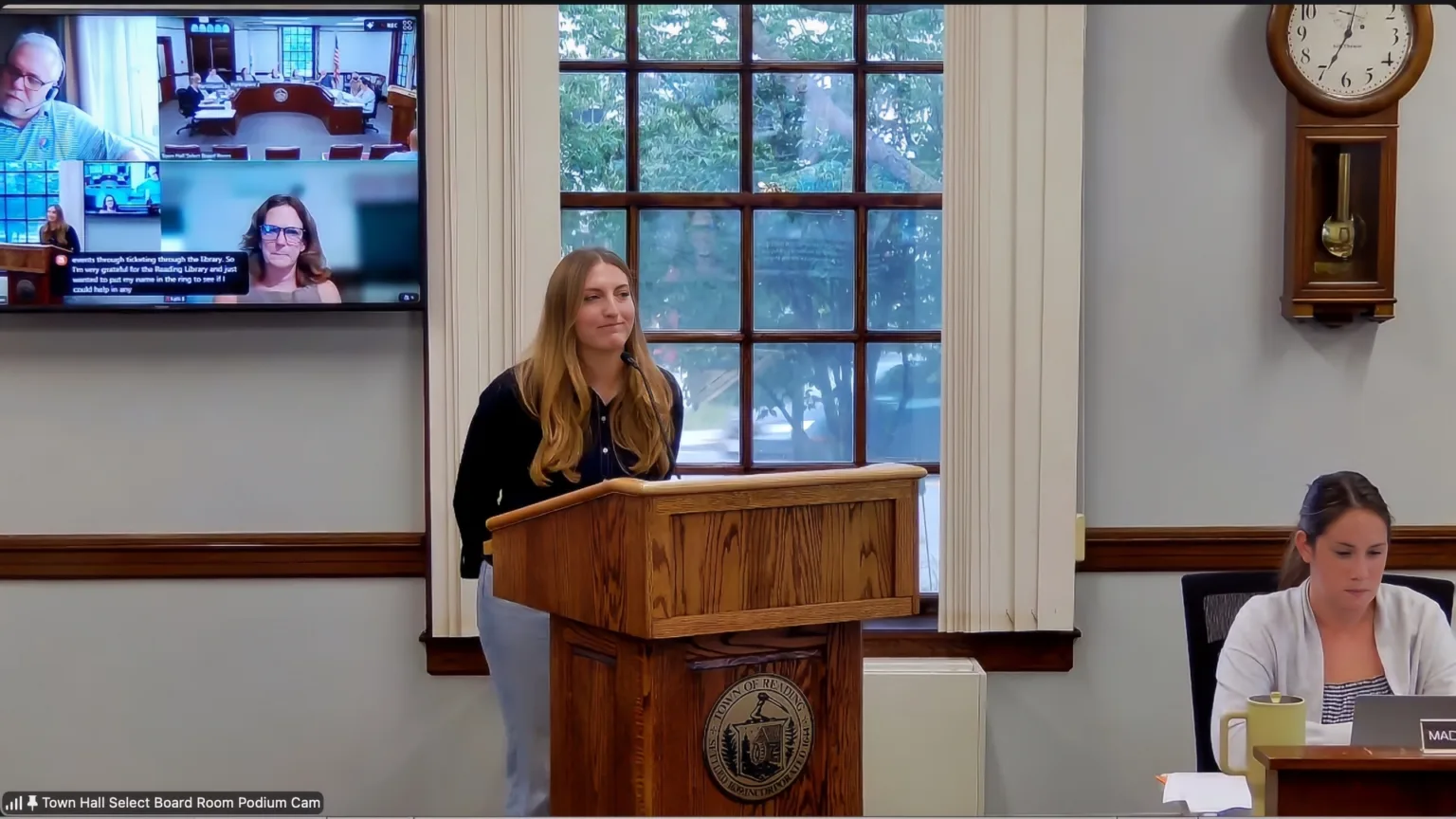
Public comment added another layer of intensity to the discussion, with Angela Binda, a former Recreation Committee member and longtime Town Meeting member, addressing the committee first. Binda raised concerns about the funding structure and questioned whether the proposed stabilization fund was the proper vehicle for supporting unified and adaptive sports.
Central to her comments was the assertion that payments from Burbank Ice Arena constituted rent in lieu of taxes rather than a discretionary funding source. As committee members pushed back on that framing and emphasized that the proposal was intended to help launch long requested programming, the exchange grew sharper.
At one point during the back and forth, a pointed question cut through the room towards Ms. Binda: “Are you guys against Burbank?” The remark underscored the widening gap between disagreement over funding mechanics and how those objections were being perceived.
Amid that exchange, Recreation Committee member Melissa Pucci offered a response that sought to reframe the discussion and de‑escalate the divide over funding sources.
There’s no reason why we can’t do both,” Pucci said. “There’s no reason why it can’t be both. It doesn’t have to just be one funding source. This is just one piece. If they want to make it a line item, fantastic. Make it a line item as well. If they want to make it a revolving account, wonderful. It’s just another avenue.”
Her remarks emphasized that Article 14 was not intended to replace other funding strategies, but rather to serve as one tool among several to support programs that currently lack stable resources.
The conversation then shifted again when Marianne Downing, a Finance Committee member who also addressed the committee during public comment, asked to clarify the record. Downing stated that she had reviewed the 2011 lease agreement directly and that, according to its written language, the payments were described as rent, not rent in lieu of taxes.
Downing stressed that she was not speaking on behalf of the Finance Committee as a whole but said it was important to correct the lease characterization. Her comments added further scrutiny and intensity to a discussion already marked by sharp disagreement.
As public comment concluded, committee members urged a return to the Recreation Committee’s role, expressing concern that procedural disputes were overshadowing the immediate needs of residents who currently lack access to therapeutic recreation services.
Committee Acts Despite the Sparks
After nearly 45 minutes of discussion, clarification, and conflict, the Recreation Committee brought the matter to a vote. By roll call, the committee voted unanimously (5–0) to support Article 14 and recommend its passage at Town Meeting.
Members framed the vote as a signal of progress rather than final resolution, noting that waiting for a perfect funding solution risked leaving families with no services at all.
A Night That Revealed More Than a Vote
The contrast between the evening’s opening tributes to Peter Coumounduros, whose work has brought fireworks to Birch Meadow year after year, and the later heated debate was not lost on those in attendance. The meeting illustrated both the strength of Reading’s civic engagement and the challenges that arise when shared values collide with procedural disagreements.
While the Recreation Committee ultimately aligned behind Article 14, the discussion made clear that the broader debate over unified and adaptive sports funding is far from settled. That conversation now moves to April Town Meeting, where residents will decide whether the proposal becomes the next chapter in Reading’s recreation legacy.