Below is a summarized version of the Council on Aging meeting, organized by timestamps and speakers, focusing on key points raised during the discussion in Reading, Massachusetts. This summary condenses the discussion into major themes, speaker contributions, and decisions, avoiding excessive detail while retaining the essence of the conversation. Timestamps correspond to the video linked at the bottom.
- šĀ Opening Remarks & Procedural Clarifications
- šļøĀ Recal Updates ā January 29 Community Session
- šĀ COA Working Group Document Review ā Part 1
- šĀ COA Working Group Document Review ā Part 2
- Longer-Term Planning, Budgeting, Operations
- 1ļøā£ Operating Budget Readiness
- 2ļøā£ FiveāYear Plan for 60+ Services
- 3ļøā£ Senior Center Functionality
- 4ļøā£ Strengthened Collaboration
- 5ļøā£ Anticipated Consequences if Unaddressed
- šļøĀ Town Staff Responses & Future Planning
- š§Ā Additional Discussion Themes
- š Ā Next Steps & Closing
šĀ Council on Aging ā Meeting Summary
Date:Ā January 21, 2026
šĀ DurationĀ ~1hr15min
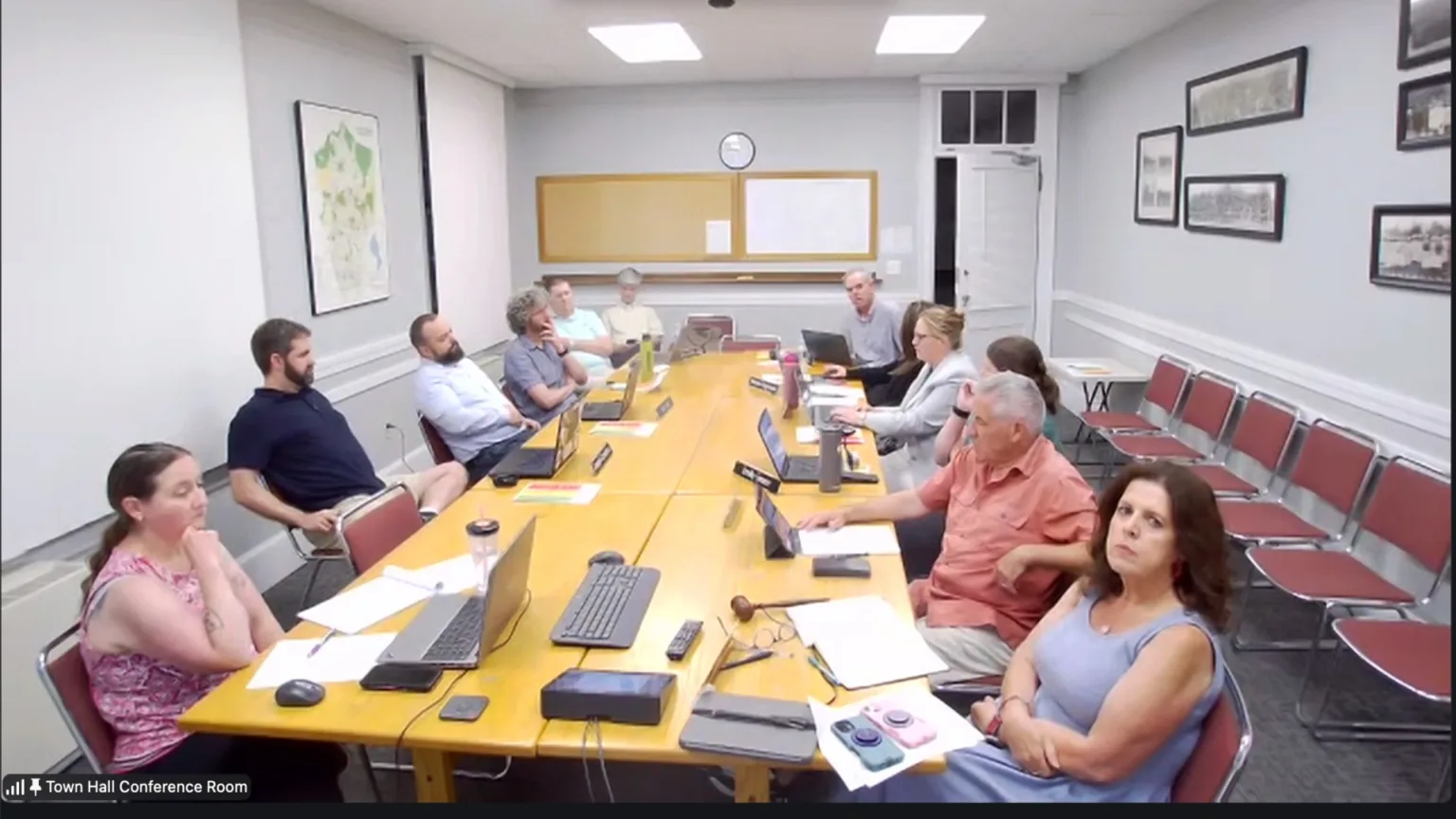
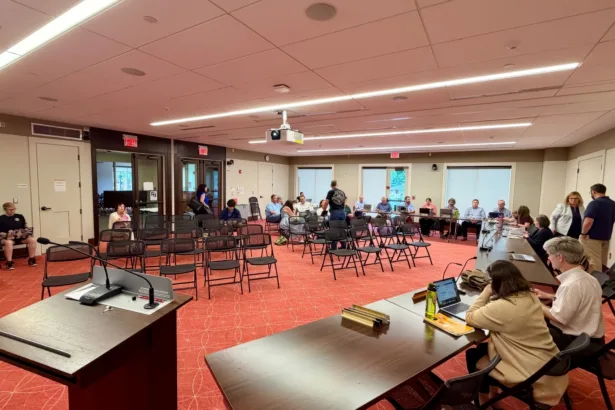
š»Ā Format:Ā Fully Hybrid (all COA members present in-person; some guests via Zoom)
š©āāļøĀ Chair:Ā Karen Janowski
š„Ā Attendees:
Voting Members:Ā Karen Janowski, Jean Pratteau, Marilyn Shapleigh, Nancy Ziemlak, Joan Coco, John Parsons, John Suzinski, Rosemary DeBenedetto
NonāVoting Participants:Ā Kate Harrington, Tom OāConnor, Ron Powell
Staff:Ā Jenna Wood (Community Services Director), Kerry Valle (Elder & Human Services Administrator), Jayne Wellman (Assistant Town Manager)
Guests:Ā Several community members including Michelle Clapper
šĀ Meeting Purpose:
A special meeting was called with two primary goals:
- Review Recal project updates for the January 29 informational session at Pleasant Street Center.
- Discuss, review, and solicit feedback on COA Working Group documents related to programming, operations, and longāterm planning for the Recal Center.
šĀ Opening Remarks & Procedural Clarifications
ā°Ā 6:45ā10:26
Chair Karen Janowski opened the meeting emphasizing:
- Awareness of incomingĀ cold weather and snowfall, encouraging community members to check on older neighbors.
- COA membership openings:
- 1 Associate Member
- 1 Voting Member (due toĀ Debbie Smallās resignation)
- Clarification ofĀ Point of OrderĀ procedures under MA Open Meeting Law (MGL 30A §§18ā25):
- OnlyĀ COA committee membersĀ may raise Points of Order.
- Members of the public, Select Board liaisons, and guestsĀ may notĀ raise them.
- Chair recognizes speakers, maintains order, rules on motions, and allows/disallows public comment.
Karen emphasized the need forĀ respectful dialogueĀ and avoiding side conversations.
šļøĀ Recal Updates ā January 29 Community Session
ā°Ā 11:40ā18:25
Presenters:Ā Jenna Wood & Kerry Valle
Summary:
- A community update session will be heldĀ January 29, 2ā3 PMĀ at Pleasant Street Center (PSC).
- Planned after an existing event to increase participation.
- Focus: Updates onĀ construction progress,Ā operational planning, and open conversation with attendees.
- Originally labeled as a COAāled session in the newsletter; Jenna clarified it should be labeledĀ TownāledĀ to avoid quorum issues.
- Current attendance: approx.Ā 15+ registered; capacity ~20 (but flexible).
Key Discussion Points:
- Some COA members requested alternating sessions: morning, evening, and at the library to broaden accessibility, especially for working 60+ residents.
- Session intended primarily for PSC regular attendees, not a townāwide presentation.
- Multiple COA members plan to attend; if quorum occurs, a meeting may be formally called.
šĀ COA Working Group Document Review ā Part 1
Comments on Joint Town Presentation (12/5/25)
ā°Ā 19:08ā33:02
Working Group Chair (Marilyn Shapleigh)Ā introduced the first document summarizing COA feedback based on the December 5 joint presentation. She framed the work:
- Questions and comments may seem detailed because COA has aĀ responsibility to advocateĀ for the 60+ population (a large proportion of Reading residents).
- The COA seeks to ensure theĀ success of a multigenerational building, avoiding mistakes seen in other towns.
- The document isĀ not an opposition, but a constructive, collaborative effort between COA and Community Services.
General Responses from COA Members:
- Some members fully supported the document as-is.
- Others felt the tone in some places might feel directive, but recognized the effort and detail.
- Several noted the importance of:
- Socialization spaces
- Donations and outreach
- Information about the new site location
- Transportation planning
- Maintaining priority access for 60+ residents
šĀ COA Working Group Document Review ā Part 2
Longer-Term Planning, Budgeting, Operations
ā°Ā 33:02ā1:14:00
Presenter:Ā Ron Powell
Ron reviewed the second Working Group document suggestingĀ opportunities for improvementĀ in five key areas:
1ļøā£ Operating Budget Readiness
- Recal opening (soft or hard) will occur during FY27; operational costs must be anticipated in advance.
- Request: ShareĀ range-based assumptionsĀ (staffing, revenue, program costs).
- Rationale: Avoid costly changes during construction or early operation.
2ļøā£ FiveāYear Plan for 60+ Services
- Recommends a midālevel planning document between the Vision Statement and full operational plan.
- Ensures continued alignment with the growing 60+ community.
3ļøā£ Senior Center Functionality
- COA emphasized national models: seniors often spendĀ hours per dayĀ in the center.
- Request: Mock monthālong program schedule to visualize feasibility (space use, staffing, flow).
4ļøā£ Strengthened Collaboration
- Suggest regular joint meetings between COA Working Group and Operations Working Group.
- Goal: Improve transparency, reduce misalignment, and address concerns early.
5ļøā£ Anticipated Consequences if Unaddressed
- Misalignment of services
- Insufficient budgeting
- Program limitations
- Community trust issues
Discussion Highlights:
- Strong emphasis on electrical infrastructure planning (adequate outlets, wiring).
- Questions about rental policy, revenue streams, and strategic use of event space.
- Repeated emphasis onĀ socialization loungesĀ being accessible to 60+ residentsĀ at all times.
- Acknowledgment that many budget factors remain uncertain until closer to FY28.
šļøĀ Town Staff Responses & Future Planning
ā°Ā 1:14:00ā1:25:00
Assistant Town Manager Jayne WellmanĀ provided critical updates:
Construction Timeline (Updated):
- Bid Opening:Ā February 5, 2026
- Contractor Selection:Ā MidāFebruary
- Soft Opening:Ā Summer 2027 (JuneāAugust window)
- Full Opening:Ā To be determined after progress evaluation
Town Plans & Opportunities:
- Staff will giveĀ regular Recal updatesĀ at COA meetings.
- COA will be invited forĀ construction walkthroughsĀ (hard hat tours).
- COA will shape decisions about:
- Tours for public
- Grand opening vs. phased opening
- Transition plan for Pleasant Street Center
- Town is planning aĀ web-based information hubĀ and communications improvements.
š§Ā Additional Discussion Themes
- Flooring documentation reviewed and appreciated; clarified which rooms support tables/chairs, dancing, or highāimpact use.
- Voting considerations for gym rental and flooring protection (e.g., town-wide election days).
- Importance of multiāgenerational programming balanced with guaranteed senior access.
- Suggestions for childrenās parades, intergenerational events, and ceremonial moments (inspired by Wilmington, Newton).
š Ā Next Steps & Closing
- Next Meeting:Ā Monday, February 9, 2026
- Chair will be away for the May meeting (either reschedule or assign temporary chair).
- COA expressed appreciation for staff and ongoing collaboration.
- Meeting adjourned atĀ 1:17:20.
ā Ā Key Takeaways
- Major forward movement on Recal planning, especially around accessibility, programming, and operational readiness.
- COA Working Group documents will serve as guiding feedback for the Townās Operations Working Group.
- Strong emphasis onĀ collaboration,Ā communication, andĀ transparencyĀ between COA and Town staff.
- Community update scheduled forĀ January 29āCOA representation confirmed.
- Town leadership reaffirmed: COA will haveĀ central influenceĀ in the transition to and opening of the Recal Center.