- Quick Links
- Events
- AI Meeting Recaps
- Select Board
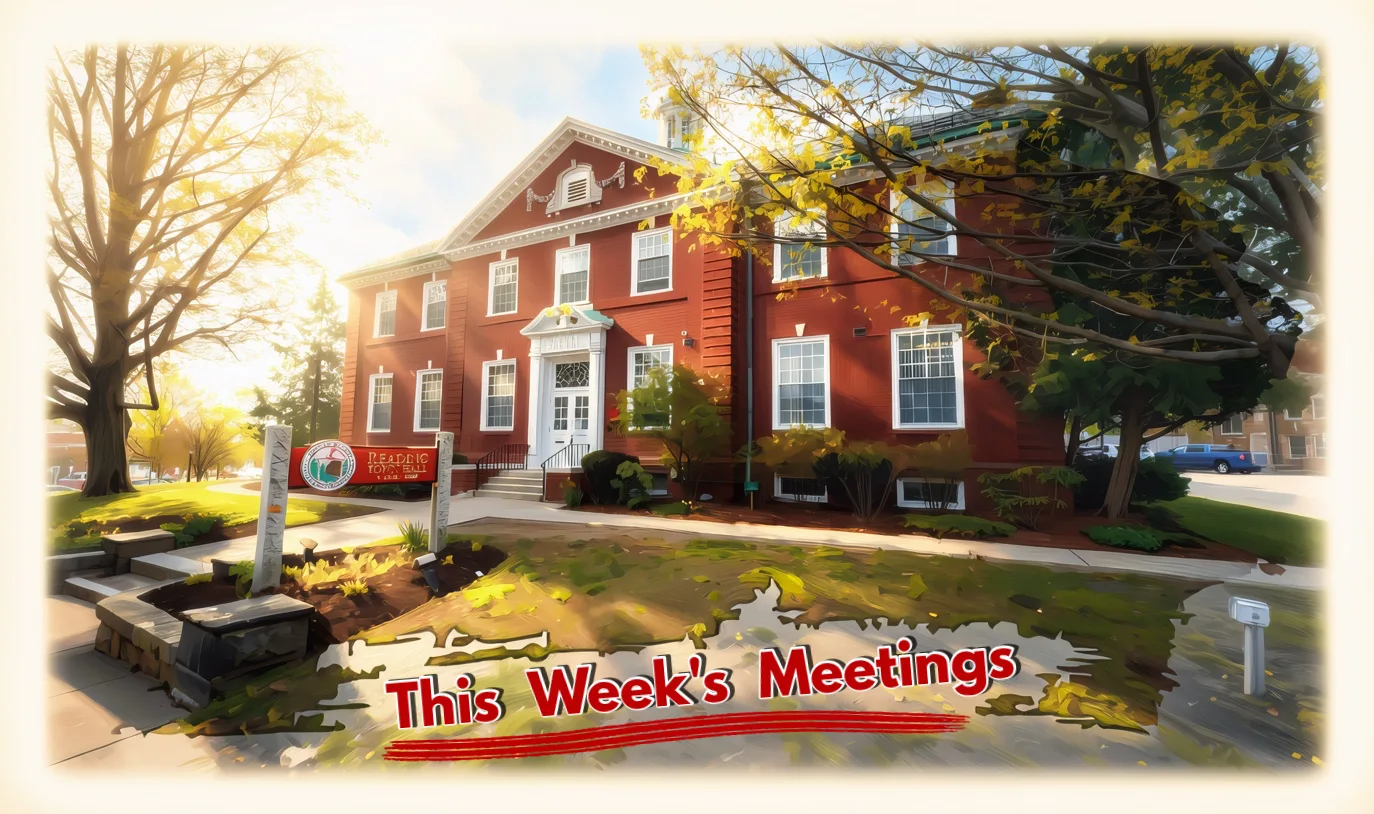
🗓️ This Week in Meetings 7/20 – 7/24
Here's the updated list of all meetings with agendas currently scheduled for this week in Reading. Please note that this information is accurate as of Monday morning only—new meetings may be added or existing ones modified…

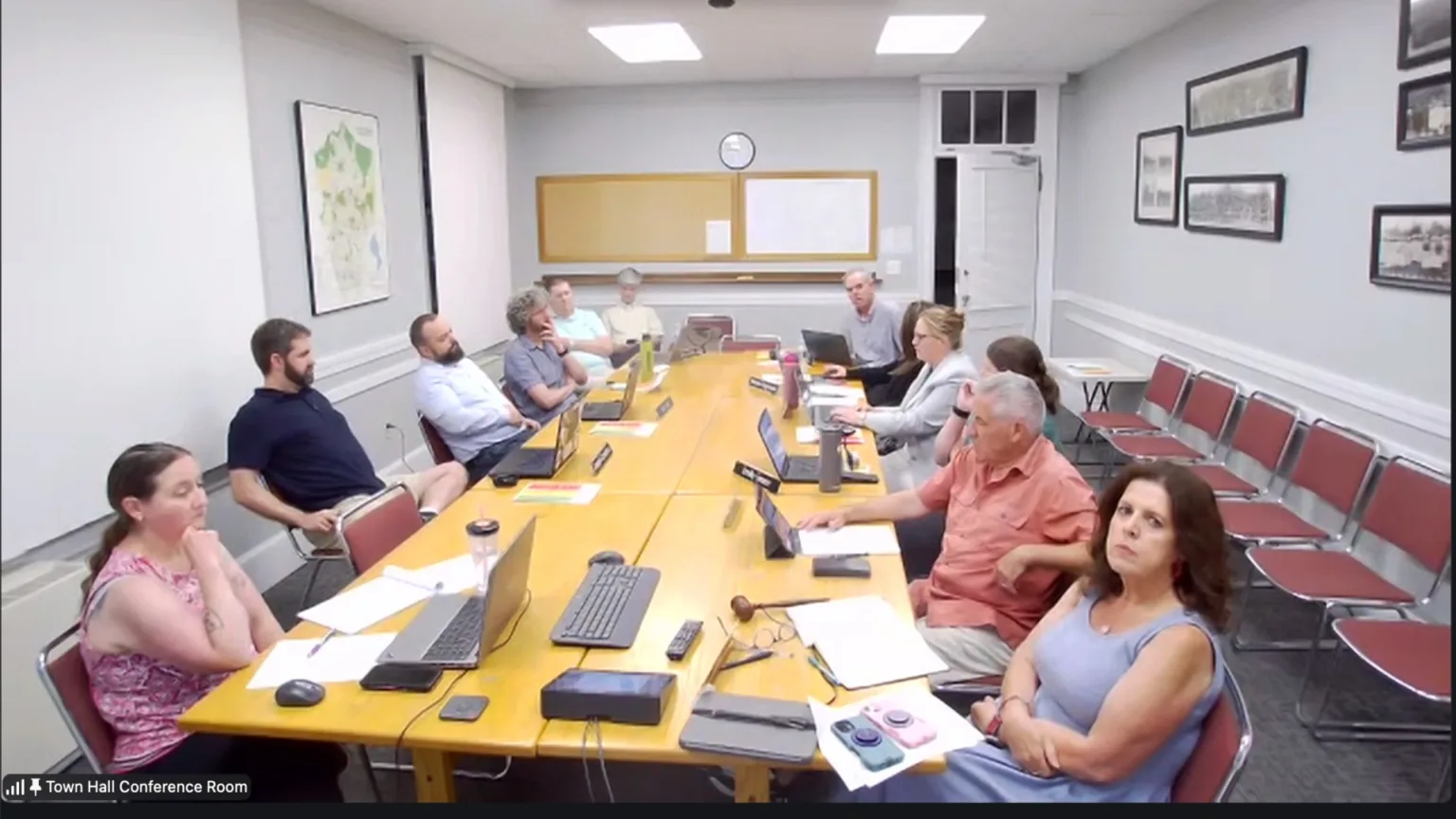
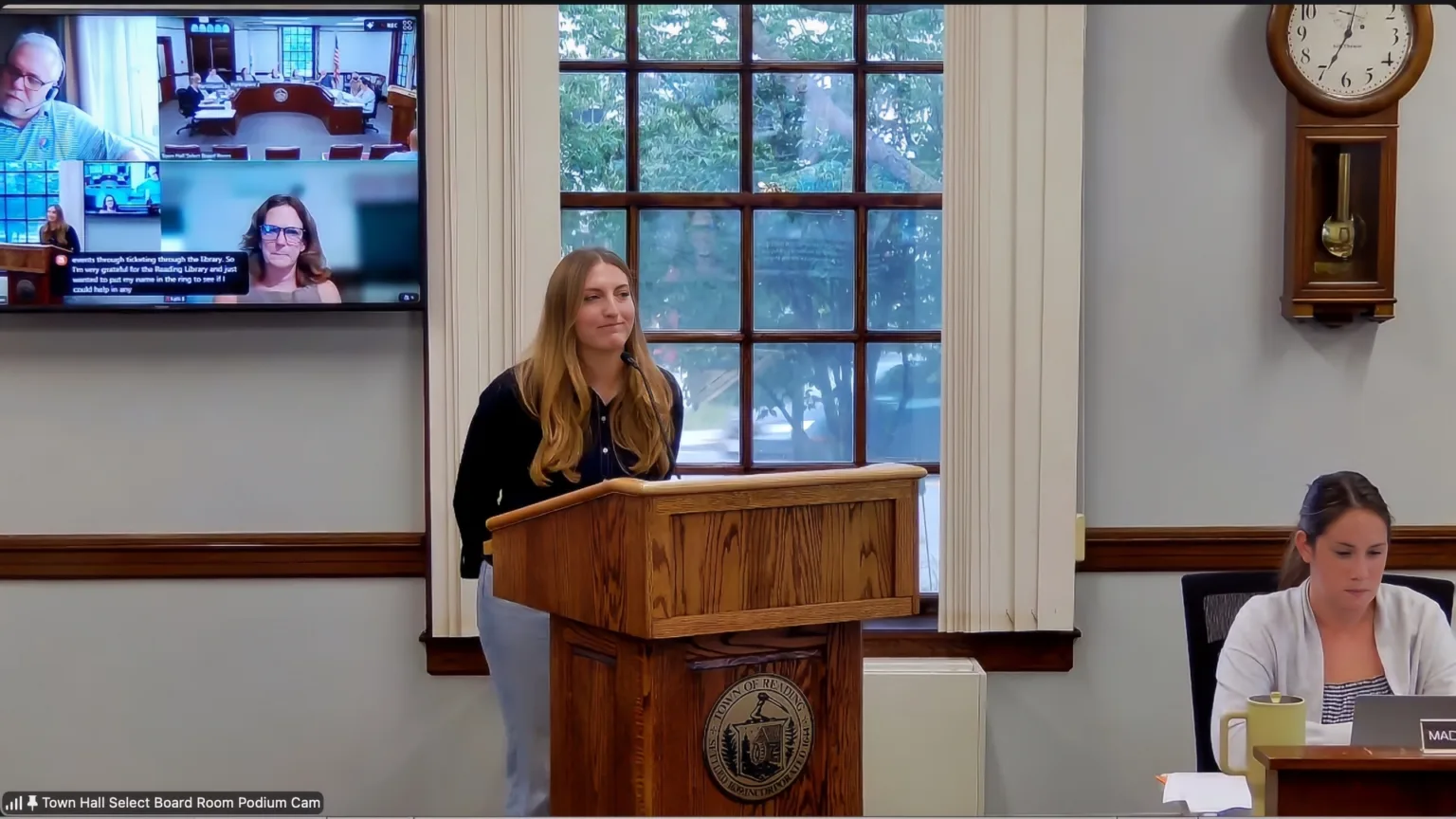

🪙 Finance Committee (Fincom) 7-15-26 AI Recap
Below is a summarized version of the Finance Committee, organized by timestamps…
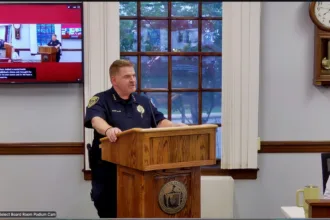
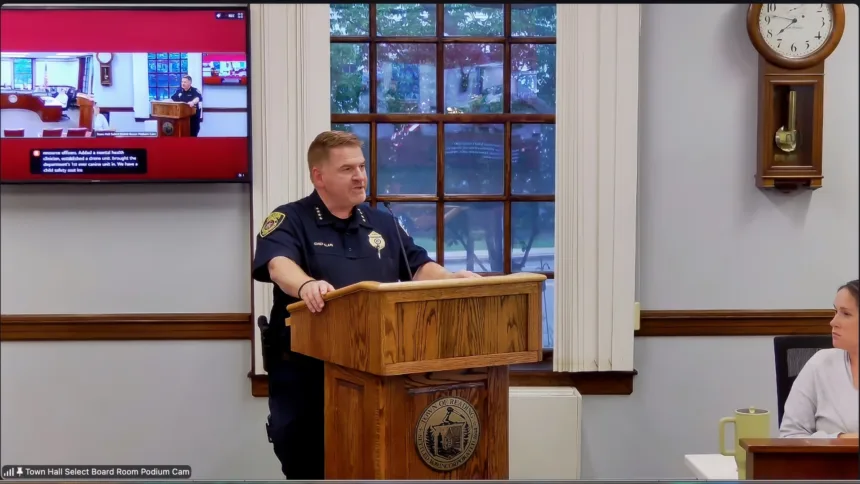
👮♂️ Reading Police Chief David Clark Announces 2027 Retirement After 32 Years of Service
"Chief David Clark Reflects on Career, Announces Retirement and Succession Recommendation" Reading…
🏛️ Select Board 7-14-26 AI Recap
Below is a summarized version of the Select Board meeting, organized by…
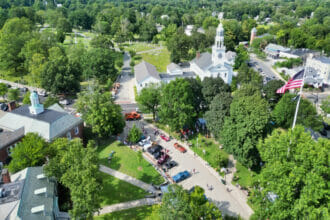
💰 Reading to Receive More than $400,000 in State & Earmark Funding
The Town of Reading is pleased to share that the Town has…

📚 Board of Library Trustees 7-13-26 AI Recap
Below is a summarized version of the Board of Library Trustees meeting,…


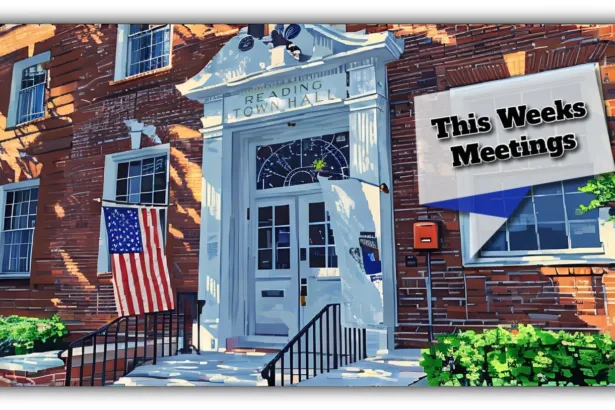
🗓️ This Week in Meetings 8/11 – 8/15
Here is the list of all the meetings with agendas currently scheduled…



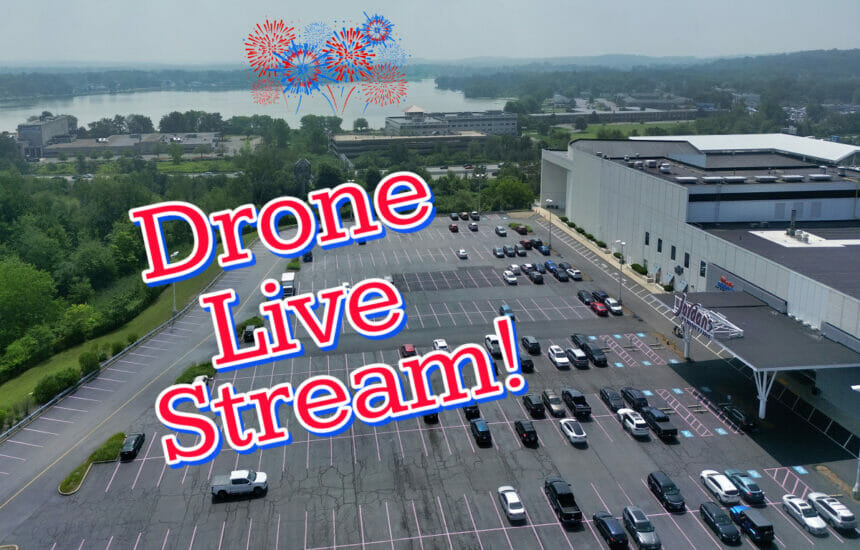
🎆 4th of July Fireworks DRONE Live Stream at 9:30
Unable to attend the 4th of July fireworks in person tonight or prefer watching from home? You're in for a treat! We'll be live streaming the Wakefield Lake Quannapowitt fireworks from Jordan's Furniture in Reading, using…




Long time Reading Resident. Member of the Finance and RAAC Committees.

Father, Husband, Small Business Owner, & Freelance Rocky Impersonator.

Hi everyone, my name is Nancy Tawadros. I am a single mom, and a dance mom of two incredible girls. I completed my undergraduate degree at St. John Fisher College with a degree in Psychology and Natural Sciences, and I’ve lived in Reading for about 18 years.

Editor for the Reading Recap!