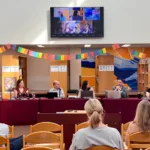


At the September 10th Conservation Commission meeting, Genady Pilyavsky of the Reading Climate Advisory Committee presented a proposed Tree Preservation Bylaw aimed at protecting Reading’s residential tree canopy. The presentation, which ran for roughly 45min, prompted thoughtful discussion among commissioners and attendees about the environmental, regulatory, and practical implications of the proposed policy.
Purpose and Scope of the Bylaw
Pilyavsky emphasized the importance of preserving mature trees in residential neighborhoods, citing their role in reducing erosion, improving air quality, providing shade, and enhancing the town’s character. While Reading already has protections for trees on conservation land and town-owned property, the proposed bylaw would extend oversight to private residential lots undergoing major construction or significant additions.
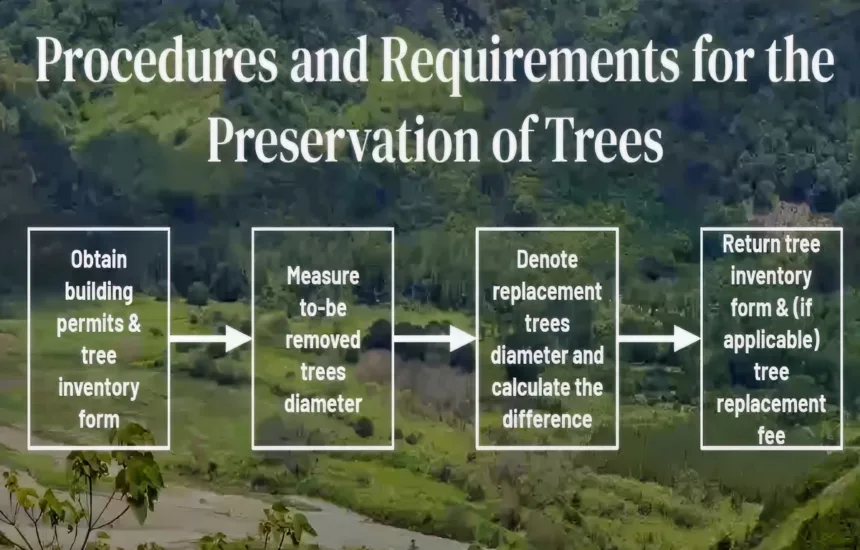
The bylaw would require developers and homeowners undertaking large-scale projects to inventory existing trees and either replace those removed or contribute to a town-managed tree fund. The fund would be used to plant trees elsewhere in Reading, ideally on public land.
📐 How It Would Work
Under the proposed system:
- Developers would measure the diameter at breast height (DBH) of trees slated for removal.
- Replacement trees would be planted based on the total DBH removed, or a fee would be paid to the town for unmet replacement inches.
- The bylaw would not apply to routine tree maintenance or removal of dead or hazardous trees.
- Oversight could be provided by the Tree Warden, Conservation Commission, or a future Tree Preservation Committee.
🗣️ Commission Feedback
Commissioners expressed general support for the concept but raised several concerns:
- Tree Replacement Ratios: Walter Talbot noted that replacing a large tree with several small ones does not equate in canopy coverage or carbon sequestration. Others worried about overcrowding and the feasibility of planting numerous saplings on small lots.
- Cost and Compliance: Brian Bowe questioned whether developers would opt to pay fees rather than plant trees, potentially undermining the bylaw’s intent. He also stressed the need for native species and clear definitions of “quality of life” exemptions.
- Jurisdiction and Implementation: Chuck Tirone emphasized that the bylaw should not overlap with Conservation Commission jurisdiction and suggested aligning with the Tree Warden and DPW for enforcement and planning.
🏛️ Next Steps
Pilyavsky indicated that the bylaw draft is nearly complete and will be reviewed by the Bylaw Committee before being submitted to Town Meeting. If approved, it would undergo state review and be implemented approximately six months later.
Commissioners requested to see the draft bylaw and offered to provide feedback. Several members also recommended establishing a dedicated tree committee to manage implementation and public education.
🌱 Community Impact
The proposal comes amid growing concern over tree loss in Reading’s neighborhoods due to development. Commissioners recalled recent projects where significant tree removal occurred outside conservation jurisdiction, underscoring the need for broader protections.