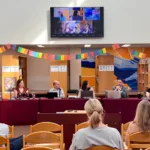


In a strategic move to enhance municipal revenue and reduce financial strain on residents, Fire Chief Rick Nelson presented a comprehensive review of the Reading Fire Department’s revenue streams during Tuesday night’s Select Board meeting. The discussion centered on two key areas: ambulance billing and permit fees, both of which are poised for modernization.
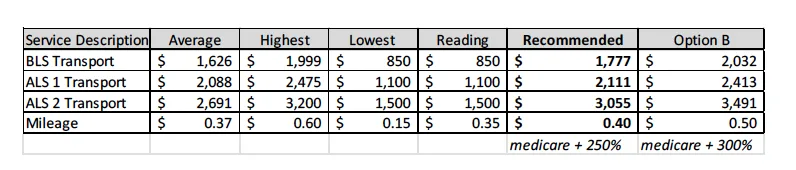
Chief Nelson proposed transitioning the department’s ambulance billing system from an itemized model to a bundled billing structure. Under the current system, patients are charged separately for each service provided during transport—such as oxygen administration or cardiac monitoring. The proposed bundled model would consolidate these charges into three flat-rate categories: Basic Life Support (BLS), Advanced Life Support 1 (ALS1), and Advanced Life Support 2 (ALS2).
This change would not only streamline billing but also reduce the likelihood of insurance companies rejecting individual line items,” Nelson explained. “It’s a win-win—more consistent revenue for the town and fewer surprise bills for residents.”
According to Nelson, adopting a bundled billing system based on Medicare rates plus 250% could have generated an additional $250,000 in revenue last fiscal year. The department collected approximately $970,000 in ambulance fees in FY25, with a 48% collection rate. The new model could push that figure past $1.2 million.
Select Board members expressed strong support for the proposal, noting its dual benefit of increasing town revenue while potentially lowering out-of-pocket costs for residents.
Board member Karen Herrick praised the initiative: I’m always happy to hear from the fire department about grants, money raising, and revenue strategies. This is a smart move.”
In addition to ambulance billing, Chief Nelson recommended updating the department’s permit fee schedule, which has remained unchanged since 2010. The proposed changes would bring Reading’s fees in line with neighboring communities and reflect the increased complexity of inspections and code compliance.
Under the new structure, fees for smoke detector inspections would rise from $25 to $50 for single-family homes and from $50 to $100 for two-family dwellings. The department also proposed adding a $50 re-inspection fee for failed inspections—a measure aimed at encouraging compliance and reducing repeat visits.
Board member Carlo Bacci expressed some concern about the size of the fee increases, suggesting a more gradual approach. “It’s a lot all at once,” he said, “but I understand it’s been 15 years.”
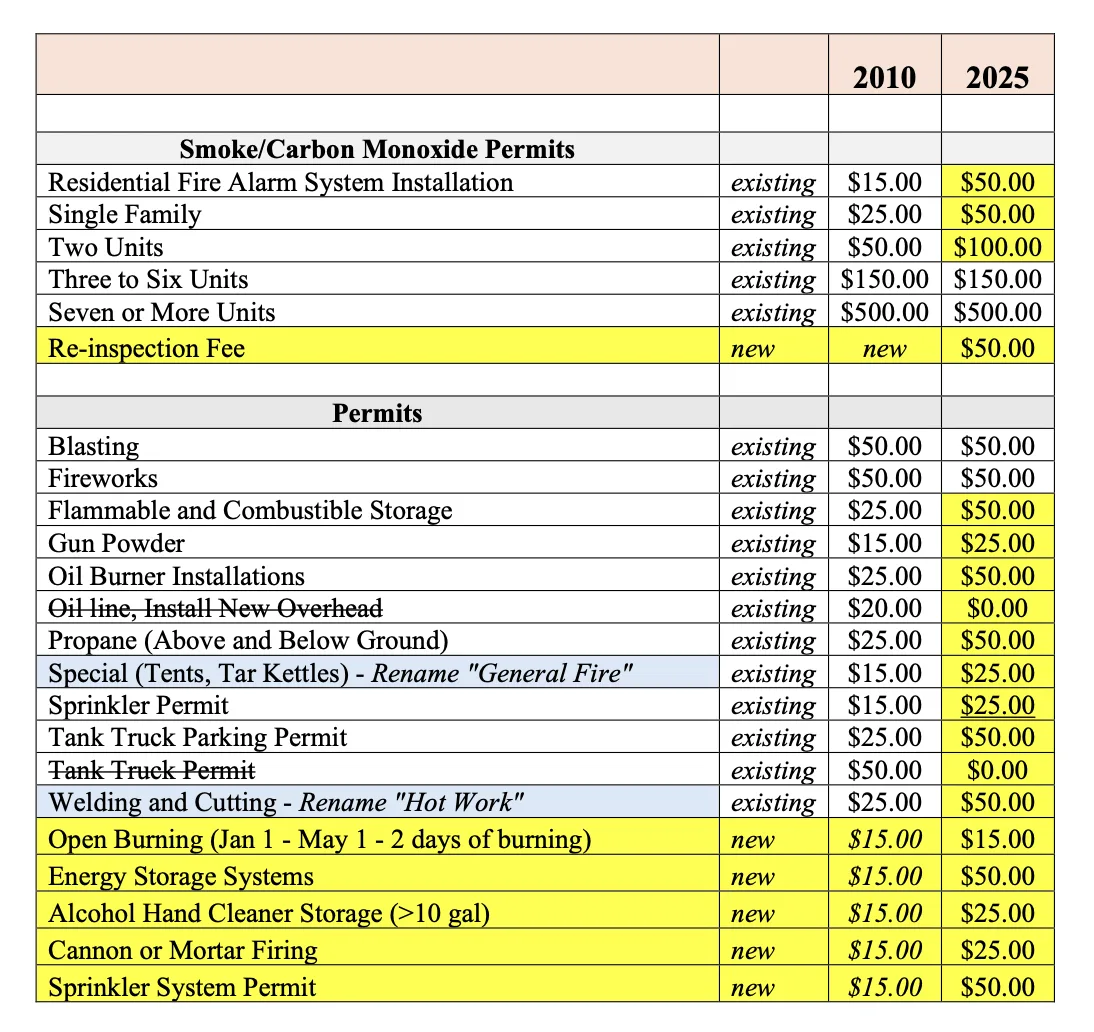
The Select Board will vote on the proposed permit fee changes at an upcoming meeting. If approved, the updates could nearly double the department’s annual permit revenue, from $16,000 to over $30,000.
As Reading faces the likelihood of a budget override in the next 2-3 years, these revenue strategies offer a proactive approach to strengthening town finances without placing undue burden on taxpayers.
This is why we have recurring financial discussions on the agenda,” Haley concluded. “We need more ideas like this—ones that benefit both the town and its residents.”