

At the August 13th Finance Committee meeting, members took a detailed look at the funding status of several large capital projects—both past and present—highlighting the complexities of municipal finance and the importance of transparency in how taxpayer dollars are allocated and spent.
Internal Borrowing Strategy: A Tactical Move
One of the key updates came from Sharon Angstrom, the town’s Chief Financial Officer, who explained the town’s use of internal borrowing to kickstart major projects like the Reading Center for Active Living and the Killam School renovation. Rather than issuing debt immediately, the town borrowed from its own reserves to provide initial cash flow, with plans to issue formal debt in January. This approach delays the appearance of debt payments on residents’ tax bills until FY27, giving the town more flexibility in FY26 to fund additional capital needs.
This strategy also allowed the town to consolidate borrowing for multiple projects—including the fieldhouse floor replacement, Birch Meadow Phase 2, and others—into a single issuance, saving on issuance costs (~$50k) and avoiding multiple bond ratings.
Fieldhouse Floor Replacement: More Than Just Flooring
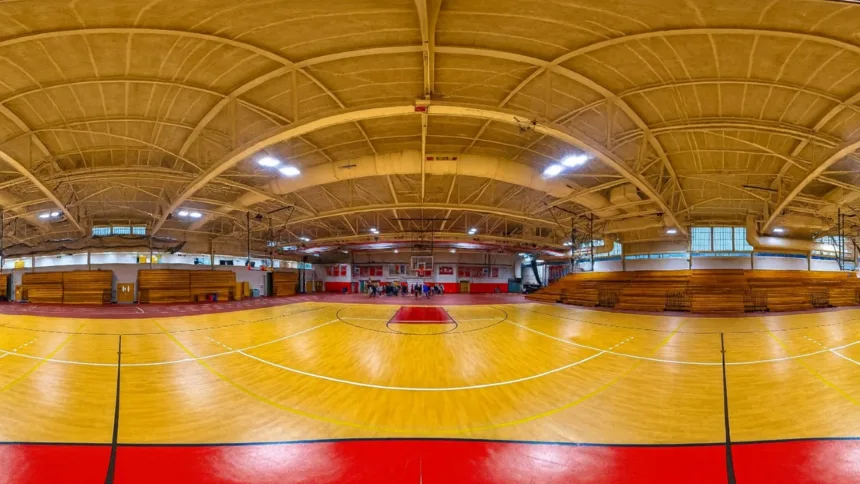
The fieldhouse floor project, initially budgeted at $3 million, came under scrutiny after bids came in under at $2.683 million. Joe Huggins, the town’s facilities manager and acting OPM (Owner’s Project Manager), clarified that the additional funds were used for a series of enhancements:
- New bleachers with logos and safety curtains
- Protective court covering for multipurpose use
- Structural testing and slab compaction
- Painting and deep cleaning of the facility
- Electrical upgrades for automated bleachers
- New scoreboards and backboards
- A new floor scrubber for long-term maintenance
These additions, while not part of the original scope presented at Town Meeting, were deemed necessary to protect the town’s investment and improve the overall utility and appearance of the facility. Joe’s role as OPM saved the town an estimated 9–11% in project management costs, effectively offsetting the cost of these enhancements.
Balancing Transparency and Flexibility
Committee members expressed appreciation for the thoroughness of the project execution but raised concerns about how to better communicate potential “nice-to-have” items to Town Meeting voters. Suggestions included listing optional enhancements during initial presentations, with clear caveats that they would only be pursued if bids came in favorably.
Karen Gately-Herrick, a long-time Town Meeting member and current Select Board member, emphasized the need for transparency, especially in tight financial times. She urged that any out-of-scope spending—even if beneficial—should be clearly presented to voters to maintain trust and accountability.
Reallocating Leftover Funds
Beyond the fieldhouse, Sharon reviewed other completed projects with remaining funds, including:
- Police Station Renovation: $130,263 available
- Energy Improvements Phase 2: $179,773 available
- Parker Roof “the gift that keeps on giving”: $30,000 available (pending PO review)
- Building Security: $139,965 available
- Library Project: Over $90,000 available
These funds, once confirmed as unencumbered, can be reclassified and transferred to other qualifying capital projects via Town Meeting vote. Sharon noted that funds must be moved to projects with similar borrowing terms—for example, building project funds must go to other building projects with equal or longer borrowing durations.
Looking Ahead
The committee agreed that a warrant article to reallocate these leftover funds should be prepared for the November Town Meeting. This move would not only clean up the town’s general ledger but also reduce the amount of new debt needed for upcoming projects, benefiting taxpayers in the long run.