

“Plan to redevelop longtime medical landmark sparks debate among neighbors“
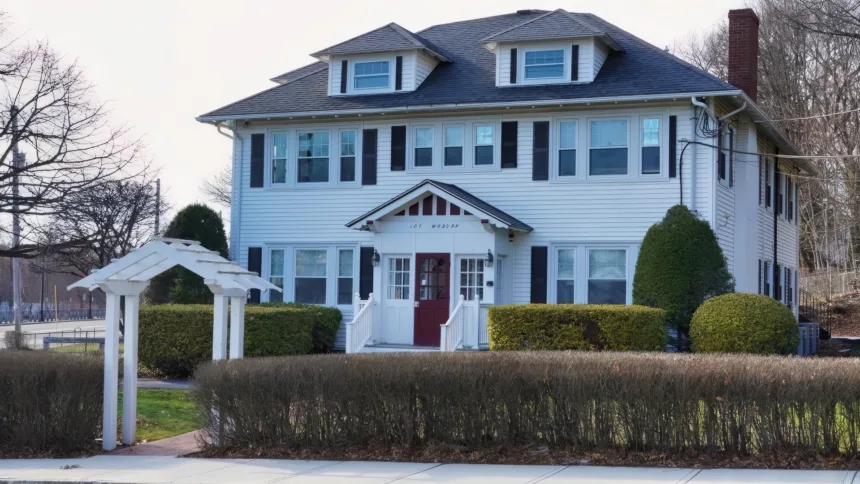
A longtime medical office building at 107 Woburn Street, best known as the former home of Dowd Medical Group, could soon take on a new role as housing under a proposal presented to the Reading Zoning Board of Appeals on April 6th.
Attorney Joshua Latham, appearing on behalf of 107 Woburn Street LLC, outlined plans to convert the two-story building into six one-bedroom rental apartments, marking a significant shift for a property that has served the community as a medical facility for more than five decades.
A Property with a Long, Unusual History
According to Latham, the structure was originally built in 1906 as a single-family home, but its residential use ended in 1971, when the Zoning Board granted a variance allowing it to be converted into professional medical offices. A second variance in 1984 permitted a substantial rear addition, nearly doubling the building’s size.
“For more than 55 years, this property has functioned as a commercial medical building,” Latham said, adding that its layout and infrastructure now make it impractical for either modern medical use or conversion back to a single-family residence.
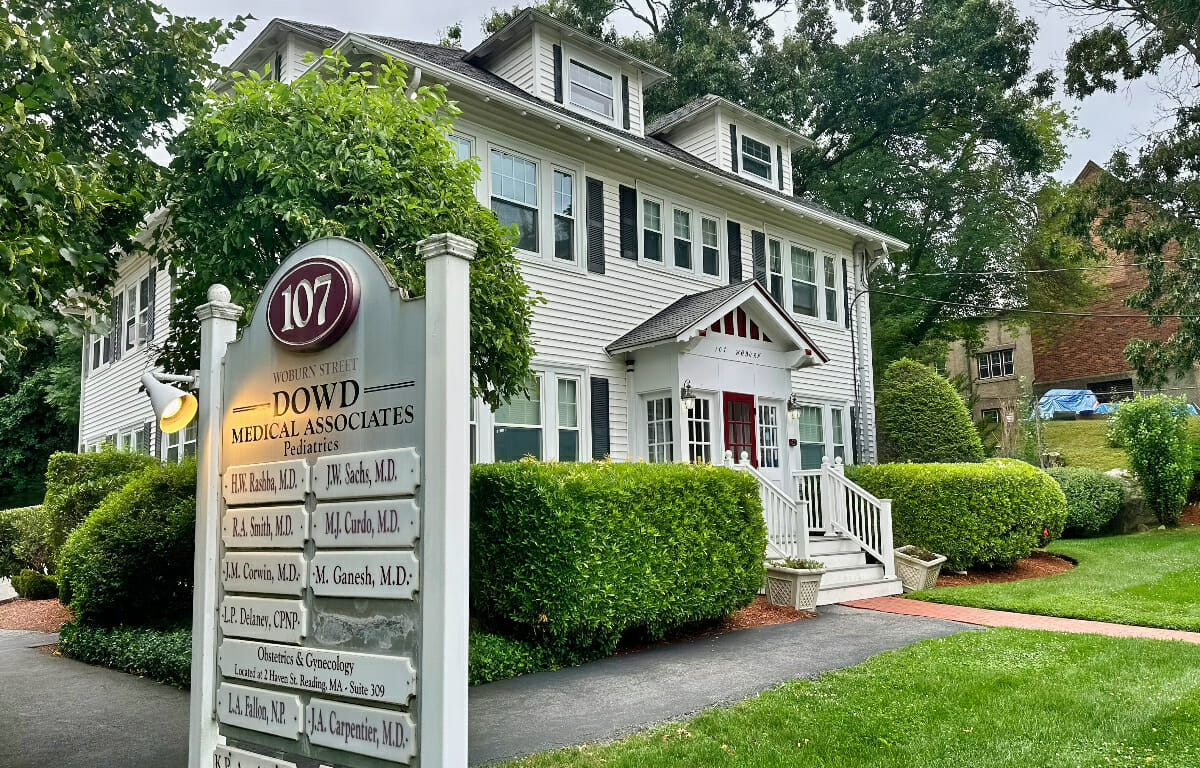
He cited narrow corridors, segmented clinical rooms, two floors without an elevator, and outdated systems as reasons Dowd Medical Group ultimately vacated the site and relocated to a newer facility in Woburn.
The Proposed Redevelopment
The plan would keep the building’s footprint intact while reconfiguring the interior into three one-bedroom apartments on each floor. Exterior changes would be minimal, limited largely to the removal of four windows for symmetry and residential character, along with landscaping improvements.
Latham emphasized that the project would reduce parking, soften the site’s commercial appearance, and result in lower traffic volume than the former medical office use.
The owner of the property, Michael Sullivan, is a longtime Reading resident and developer who has completed other local projects, including Schoolhouse Commons. Sullivan plans to retain ownership of the building and operate it as rental housing, not condominiums.
Two of the six apartments would be deed-restricted at 60% of Area Median Income (AMI), a level Latham described as addressing a significant housing gap in town.
Financial and Zoning Arguments
Latham argued that forcing the property back into single-family use would create a substantial hardship. He estimated that such a conversion would cost more than $1 million, eclipsing the building’s assessed value of $954,600 and likely resale value.
While the property is located in an S-15 single-family zoning district, Latham described it as a transitional site near downtown, across from the commuter rail station, and surrounded by a mix of multifamily housing, commercial buildings, and institutional uses.
At least this proposal returns the property to a residential use,” he said.
Neighbor Raises Strong Opposition
The most impassioned testimony came from Mark Tucker, who lives next door at 77 High Street and said his family has deep ties to both the neighborhood and the former medical practice.
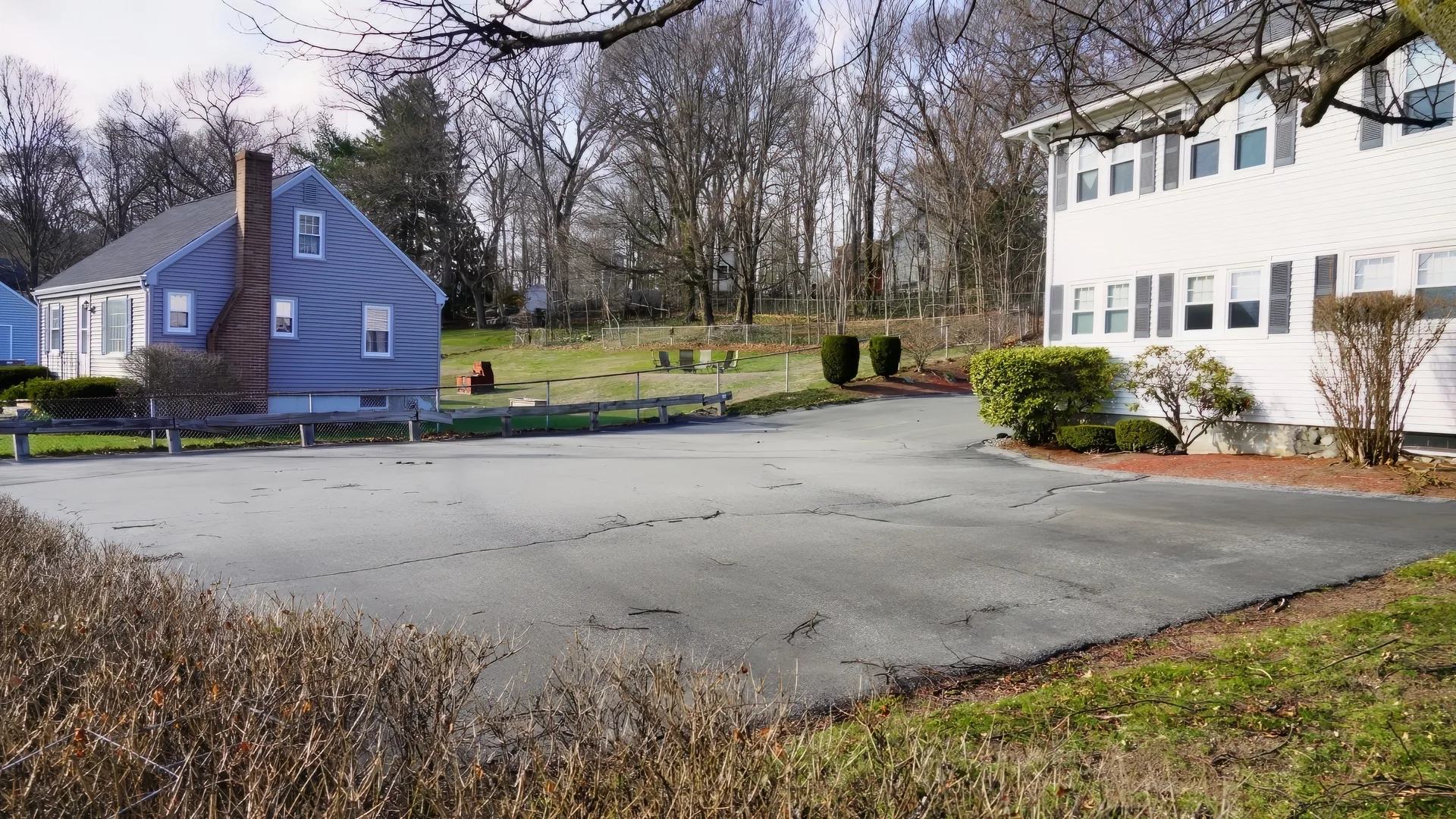
Tucker expressed concerns about loss of privacy, nighttime noise, constant activity, headlights, and declining property values, arguing that apartment use would introduce 24/7 impacts that did not exist under Dowd Medical’s daytime operations.
This is my home,” Tucker told the board. “I raised my family here, and I want to retire here.”
He said he would strongly prefer an office or professional use, even if not medical, over residential apartments.
Board Pushes for Compromise
Members of the Zoning Board acknowledged Tucker’s concerns, while also noting that the building would need a new use. During discussion, Latham offered several potential mitigation measures, including:
- Reducing or relocating parking away from Tucker’s home
- Adding landscaping, fencing, or vegetative buffers
- Removing pavement to improve screening and noise reduction
Latham said the applicant was eager to meet directly with neighbors and explore changes that could ease the impact.
We’re not trying to push this through,” he said. “We want to get this right.”
Hearing Continued
Rather than voting on the proposal, the Zoning Board unanimously agreed to continue the hearing to June 1, 2026, so the applicant and abutters can meet and potentially refine the plan.
No final decision was made, and the project remains under review.