

– Officials weigh leasing, selling, or repurposing the historic former senior center –
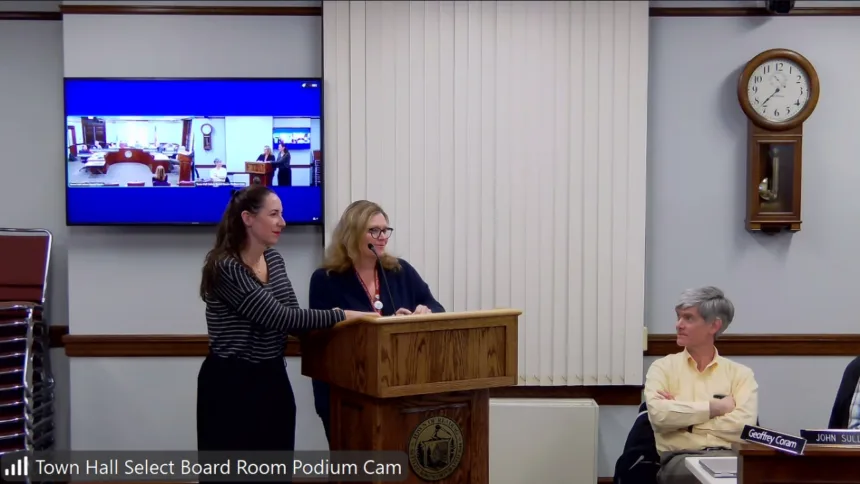
At the latest Finance Committee meeting, Assistant Town Manager Janye Wellman and Director of Operations Katie Gabriello delivered an in‑depth presentation on potential future uses for the Pleasant Street Center, the historic former senior center building that will become surplus once the new Reading Center for Active Living (Recal) facility opens in 2027.
*2/19/26 10am corrected name of Recal facility
Wellman said the town is nearing a critical decision point. With construction bids for the Recal project due this week and a soft opening expected in August 2027, Reading must now determine the long‑term plan for the Pleasant Street property.
We have to start making a real determination about where we’re going to go with this building,” Wellman said.
A Historic Structure With Limited Development Potential
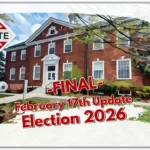
Gabriello explained that the building, constructed in 1883 as Reading’s first municipal building, encompasses about 4,300 square feet and underwent a formal commercial appraisal last year. That appraisal valued the property at $965,000 and estimated potential net rental income of $72,000 annually.
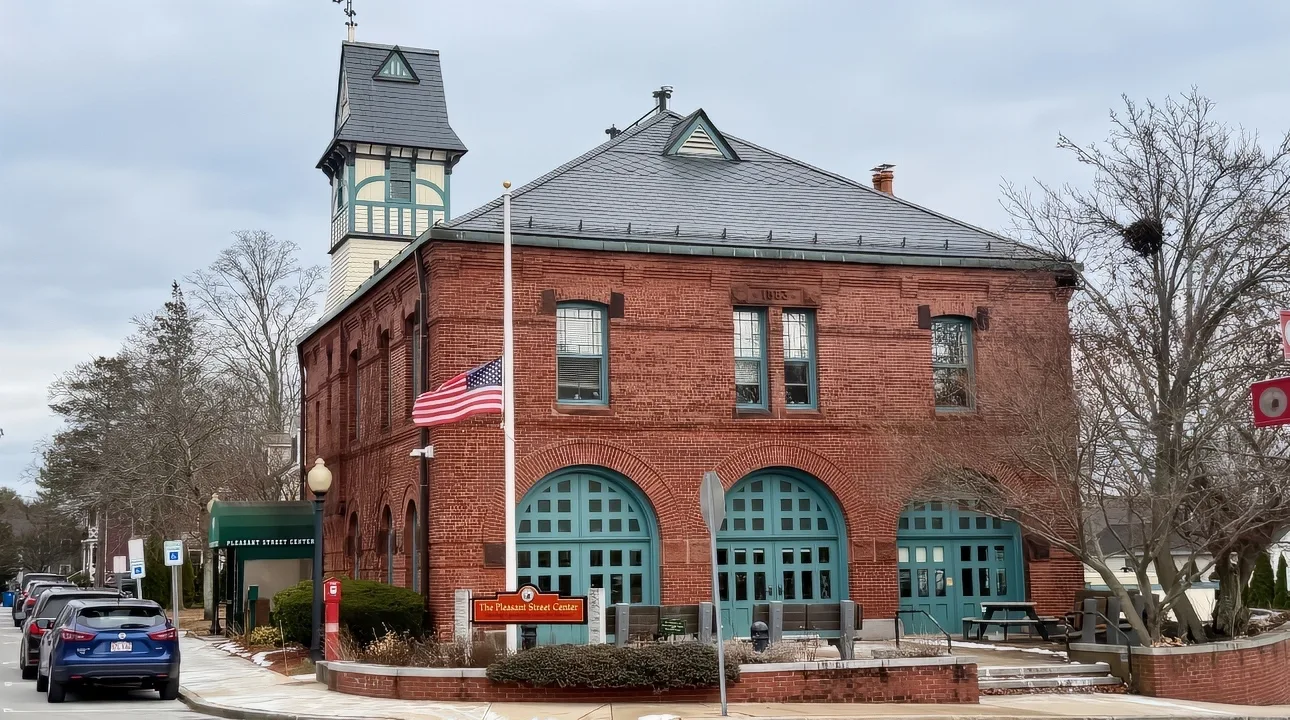
However, she noted that its location and lot size make it unsuitable for private housing development unless transferred to the Reading Housing Authority. In addition, the property is subject to a preservation restriction that limits modifications to the interior and exterior—constraints the town could attempt to renegotiate but must still consider.
Options on the Table: Sell, Lease, Repurpose, or Gift
The presenters outlined several paths for the town’s consideration:
- Selling the building, which would permanently remove the asset but generate immediate revenue.
- Gifting it to the Reading Housing Authority, enabling the creation of affordable housing through historic tax credits and outside financing.
- Keeping it for municipal use, such as storage or office space, needs that several town departments have raised.
- Leasing it to a nonprofit or business, which could generate income and keep the asset in town control.
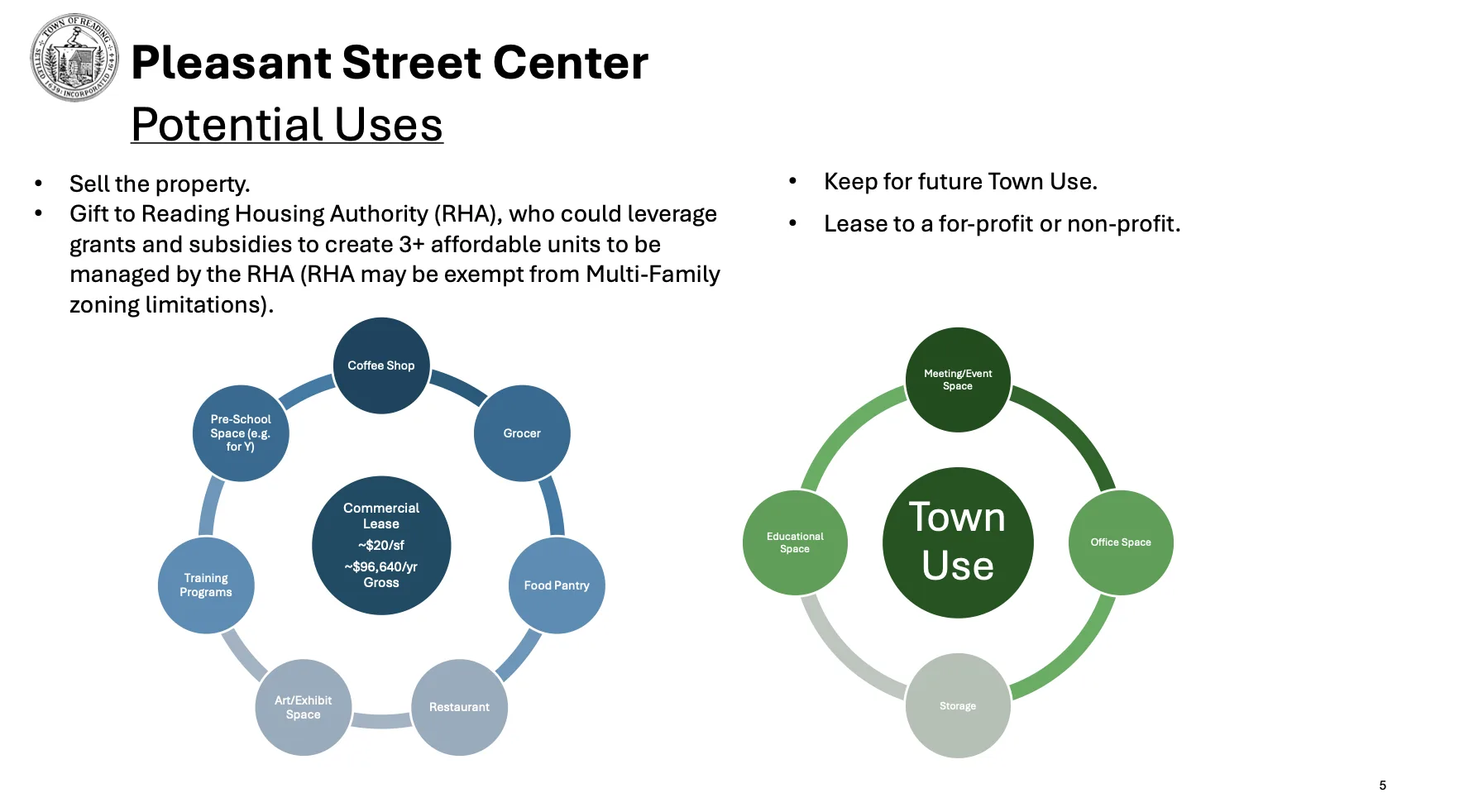
To illustrate possibilities, Gabriello pointed to examples in nearby communities where former municipal buildings have become cafés supporting workforce development or arts centers hosting performances and community events.
Committee members offered additional ideas, including using the structure as a home for historic documents, a small cultural venue, or hybrid uses mixing nonprofits and municipal functions.
Procurement and Policy Hurdles
Wellman cautioned that any sale or lease must comply with competitive procurement law. While the town can express preferences—such as favoring Reading‑based nonprofits—it cannot restrict eligibility exclusively to local groups.
One unusual complication involves the parking lot, which sits on a separate parcel. While the Select Board can independently lease the building, they cannot lease the parking lot without Town Meeting approval.
We would have to take that to Town Meeting,” Wellman noted, calling the rule “a wonderful one we’d love to see changed.”
Early feedback from the Select Board indicates a preference for leasing rather than selling, and for ensuring the building “pays for itself” through whatever use is chosen.
Committee Raises Cost, Risk, and Long‑Term Planning Concerns
Finance Committee members expressed strong interest but also caution. Several asked for the building’s annual operating cost, long‑term capital needs, and structural condition, including concerns about past issues such as flooding, mold, and the aging roof and masonry.
Members also questioned whether the town is equipped to act as a landlord. Others argued that selling such a central, historic property would be shortsighted given Reading’s likely future need for municipal space.
Ideas that drew interest included:
- Partnering with the food pantry, which is seeking space.
- Allowing hybrid uses, such as combining affordable housing with community services.
- Keeping the property as part of a broader long‑term municipal space strategy.
Committee Chair Joe Carnahan summed up the sentiment shared by multiple members, saying the town should “explore all the other options before selling,” given the building’s permanence and location.
Next Steps
Wellman and Gabriello emphasized that no vote is required yet. The town plans to meet with additional boards and committees, gather public input through a community survey, and prepare an analysis for the Select Board.
There’s no monopoly on good ideas,” Wellman said. “We’re here to collect your ideas, your thoughts, your questions.”
The process will continue through the spring as Reading works toward a final recommendation.