

“As One of the State’s Highest Water-Rate Communities, Reading’s Appeal for Relief Falls Short“
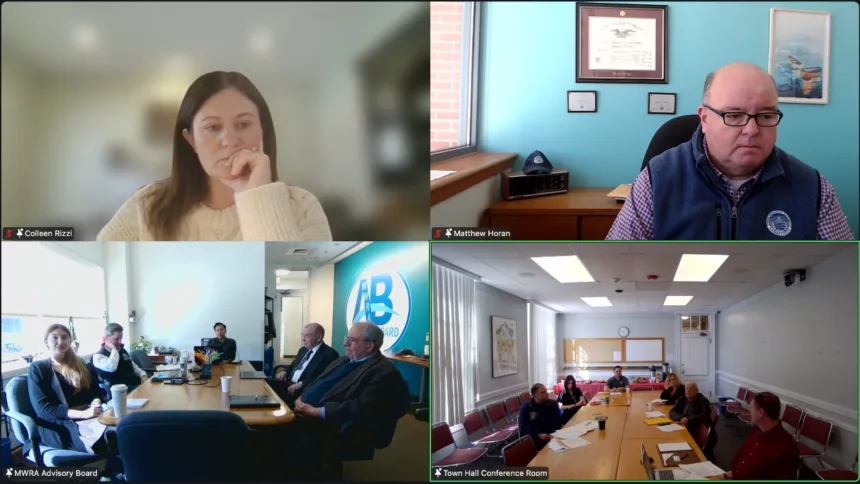
The Massachusetts Water Resources Authority (MWRA) Advisory Board Executive Committee voted last Wednesday to halt further consideration of the Town of Reading’s request for financial relief related to its 2007 entrance fee into the MWRA water system. After months of discussion and multiple rounds of written and public comment, the committee concluded that adjusting the fee retroactively would require major structural policy changes and could significantly impact ratepayers across the region.
Reading, which joined the MWRA nearly two decades ago, has argued that it paid for water capacity it ultimately did not use—amounting to what town officials describe as an “overpayment” of approximately $2.2 million. The committee’s vote effectively ends the policy review process, though Reading officials signaled they may pursue the issue through other channels.
MWRA Staff: No Existing Mechanism for Refunds
During the meeting, MWRA staff reiterated that current policy—outlined in Operating Policy 10, which governs system expansion—provides no precedent or mechanism for reimbursing communities that use less water than originally allocated. Colleen Rizzi, the MWRA’s Director of Environmental and Regulatory Affairs, noted that only one comparable request had been made prior: the Town of Stoughton in 2017. In that case, the MWRA adjusted interest on future payments, but only because Stoughton financed its entrance fee over time. Reading, by contrast, paid its fee in full upfront, making such relief impossible.
Deputy Finance Director Matt Horan outlined the potential financial impact of granting Reading’s request. A full reimbursement of the town’s $11 million entrance fee would translate into a 3% increase in water assessment rates across MWRA communities. If all communities sought similar refunds, the increase could reach 7.8%, in addition to existing rate projections.
We have no viable path to provide this relief without shifting costs to other ratepayers,” Horan said.
Reading Officials: “This Is About Fairness”
Reading leaders again pressed their case during public comment, emphasizing both financial equity and environmental history.
Assistant Town Manager Jayne Wellman explained that in the early 2000s, Reading faced intense regulatory pressure due to its heavy reliance on the stressed Ipswich River Basin. The town was urged to adopt aggressive conservation measures—lowering water use—while simultaneously preparing to connect to the MWRA. Based on historic demand, they purchased 766 million gallons per year of capacity but ultimately used only around 608 million.
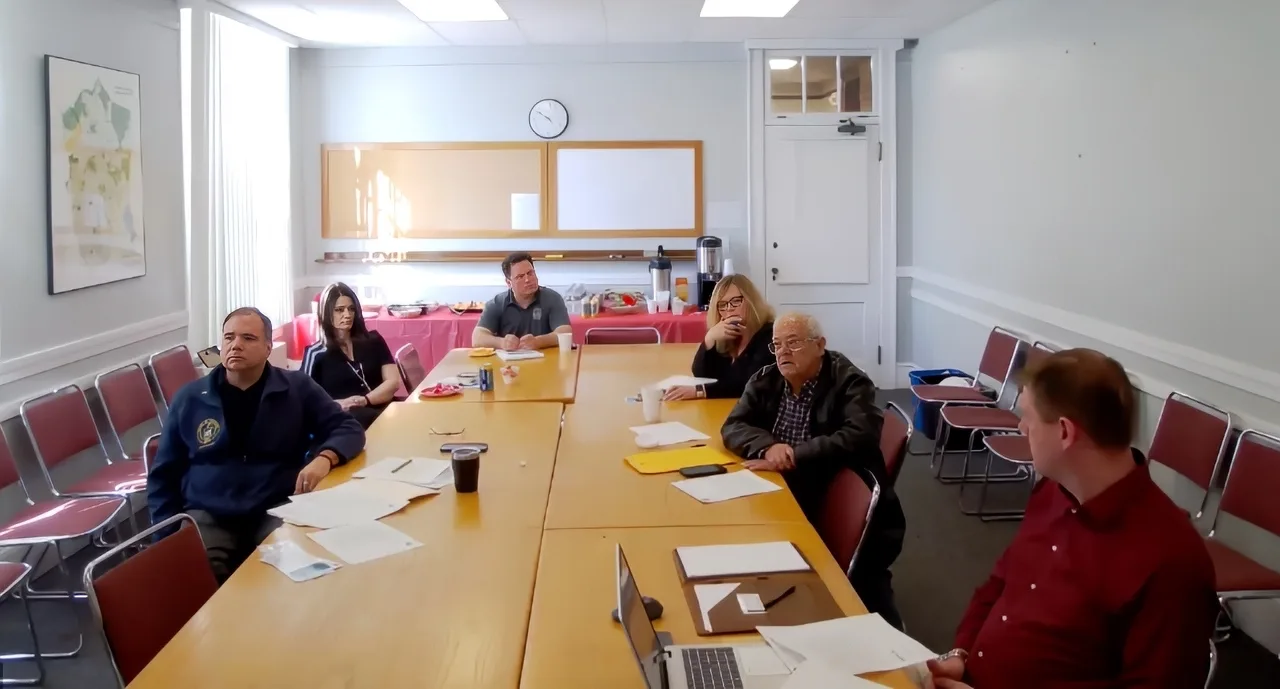
Those conservation measures worked—exactly as regulators intended,” Wellman said. “But they also drove down our usage in a way that made our entrance fee disproportionate.”
Town Manager Matt Kraunelis reiterated Reading’s revised ask: not the full $11 million paid in 2007 (that Matt Horan previously cited), but the $2.2 million difference tied to unused capacity. He expressed disappointment with the delayed response and signaled Reading is prepared to escalate the issue.
We’ve been patient for months, but our community expects action,” Kraunelis said. “We believe our argument has merit, both legally and financially.”
Resident Paul Silva argued the MWRA’s enabling legislation requires entrance fees to reflect proportionate investment. “Right now, that’s not what happened with Reading,” he said, contending that the fee paid far exceeded the town’s actual usage.
Committee Debate: Sympathy, but Not Support
Executive Committee members acknowledged Reading’s environmental stewardship and unusual circumstances but ultimately said the town benefited from purchasing higher capacity when it still had value—before MWRA’s water surplus and the later adoption of entrance-fee waivers.
Several members noted concerns about precedent, suggesting refunding Reading could trigger a wave of similar requests.
Member David Manugian summarized the committee’s prevailing sentiment:
Reading purchased the right to a higher volume, and that right had value at the time—even if they didn’t ultimately exercise it.”
Final Vote and Next Steps
A motion directing MWRA and Advisory Board staff to explore changes to entrance-fee policy—changes that might have enabled Reading’s refund—failed in an 8–3 vote.
This decision leaves Reading without further avenues within the MWRA’s internal policy process. At the request of committee members, the Advisory Board will issue a formal written notice to Reading documenting the vote.
Before the vote, Advisory Board Chair members expressed appreciation for Reading’s efforts and the complexity of the issue but emphasized the need to protect overall system fairness.
After the vote, Kraunelis indicated Reading “will be heard from again soon,” suggesting alternative legal or legislative steps may follow.
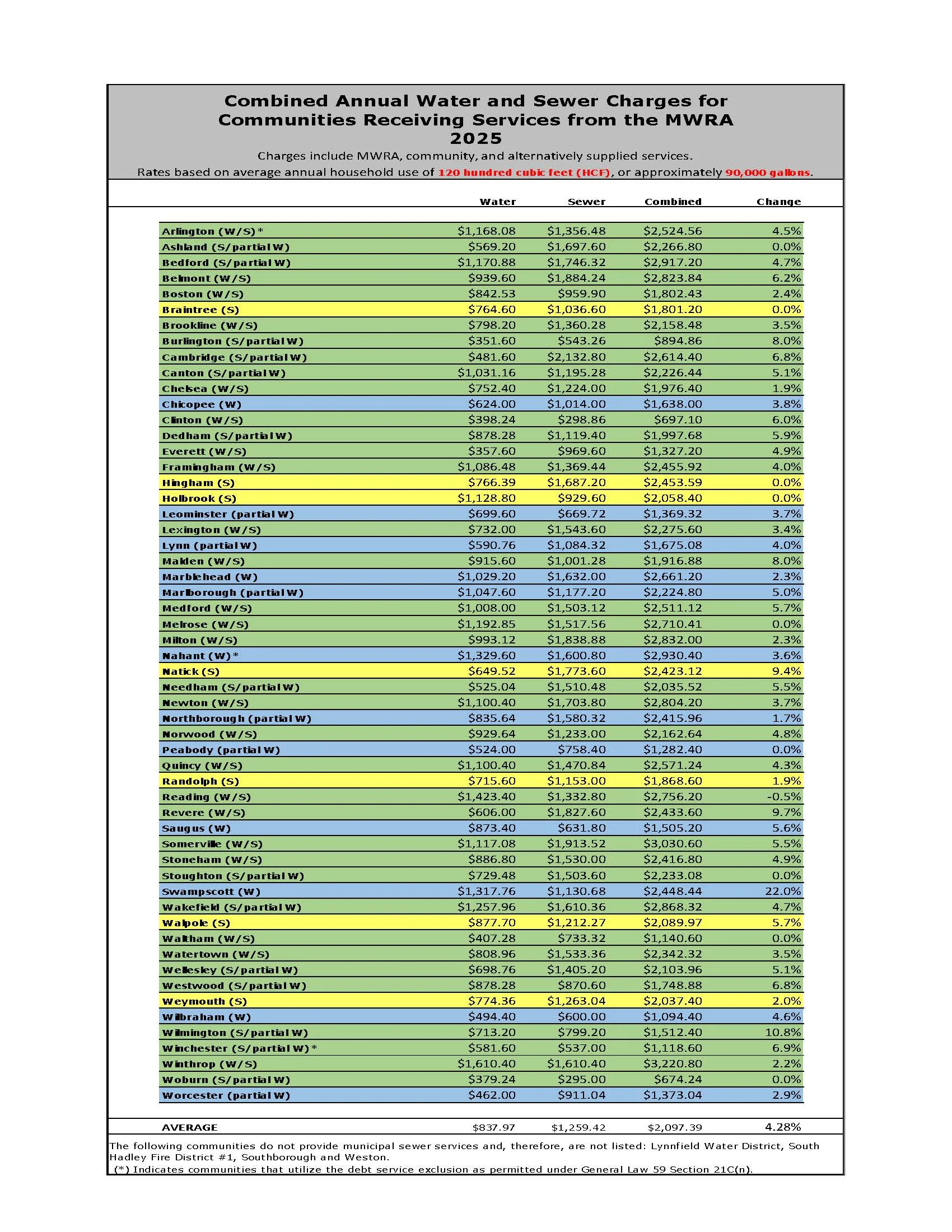
Among the 61 MWRA communities, Reading ranks second highest in retail water rates—surpassed only by Winthrop—based on the standardized annual charges for typical residential usage (as detailed in the MWRA Advisory Board’s 2025 Retail Rate Survey and related community comparisons). Reading also places in the top 5 for the highest combined water and sewer rates across all 61 MWRA communities.