

Symbolic vote follows prior commitments from town staff to tighten project oversight
At Thursday night’s Town Meeting, members overwhelmingly supported an instructional motion urging town officials and the Finance Committee to develop a process for reviewing how surplus funds from capital projects are spent. The motion, introduced by Angela Binda (Precinct 5), followed concerns over the recent $3 million dollar high school fieldhouse renovation, where nearly $300,000 in leftover funds were used for painting and sports equipment without returning to Town Meeting for approval.
Binda explained her motivation for bringing the issue forward:
Town Meeting expects unused funds to be rescinded or reallocated with approval. Spending on items outside the original scope should come back to us or at least to Finance Committee. This is about transparency and trust.”
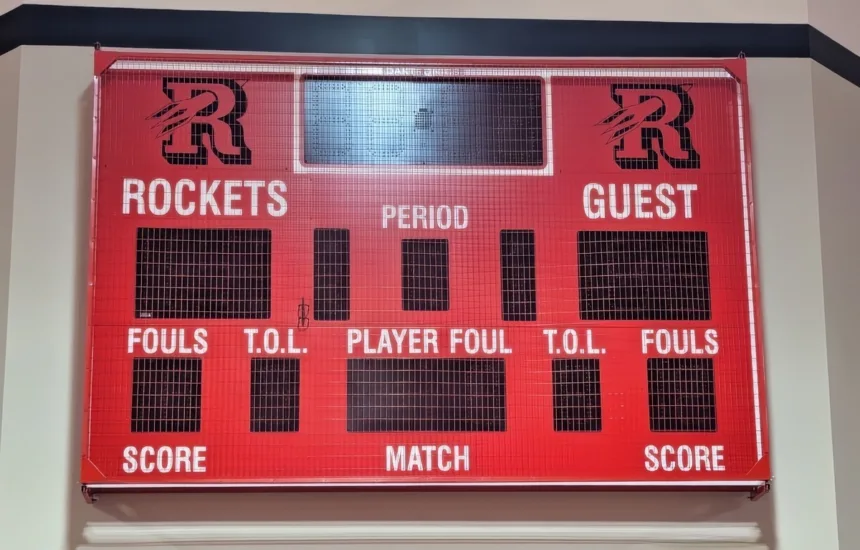
The discussion revealed deep frustration among members who felt blindsided by the unapproved purchases of scoreboards, batting cages, and court dividers. Although most agreed the equipment was necessary, they strongly believed the decisions should have been brought to the membership for open discussion first.
Superintendent of Schools Dr. Thomas Milaschewski defended the process but admitted lessons were learned:
We focused our presentation almost entirely on the floor because that was the major shift. In retrospect, I would have been more explicit about other needs within the fieldhouse. Moving forward, we’ll make sure our presentations are clearer and more detailed.”
For example, the existing scoreboards were constantly malfunctioning, required frequent maintenance, and triggered costly repairs. The two main basketball backboards—the glass itself and the metal framework above them—had been in place for 55 years and were long overdue for replacement.
Town officials also noted that the surplus funds existed largely because Joe Huggins, Director of Facilities, holds a Construction Supervisor License, which allowed him to act as the project manager and avoid hiring an outside consultant. This decision saved the town close to $150,000, creating flexibility in the budget.
Not all members agreed the issue warranted lengthy debate. Alicia Williams (Precinct 8) voiced frustration over what she saw as unnecessary micromanagement and pointed out that concerns had already been addressed:
“Angela (Binda) met with the town manager and superintendent months ago, and they’ve committed to making changes. We didn’t buy a jacuzzi or take a trip — we bought sports equipment for a fieldhouse. If we start getting into the minutiae of every screw and scoreboard, we’ll be here forever.”
Despite differing views, the motion passed by a wide margin after ending debate. While non-binding, the vote sends a strong message to town officials about the need for clearer communication and accountability, especially as Reading faces major building projects and a potential tax override.
Town Manager Matt Kraunelis assured members that changes are coming:
We’ve heard the feedback. Future presentations will include more detail, and we’ll explore mechanisms to keep Town Meeting informed when bids come in under budget.”
The meeting adjourned sine die, closing out the fall session.