

Snow removal bylaw divides Town Meeting members
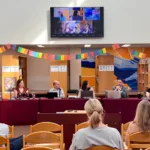
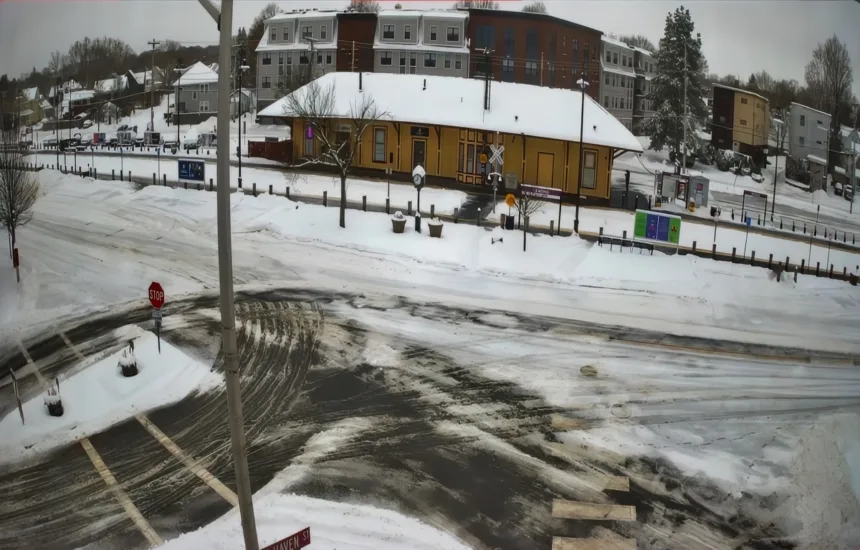
After nearly an hour of spirited debate, Reading Town Meeting voted 61–68 Monday night to reject a proposed bylaw that would have required property owners in the downtown Smart Growth Overlay District to clear snow and ice from public sidewalks within four daylight hours after a storm.
The measure, introduced by the Bylaw Committee due to an Instructional Motion by Mary Parr, aimed to improve pedestrian safety and accessibility during winter months. It called for a 42-inch cleared path, removal of ice caused by freeze-thaw cycles, and maintenance of handicap ramps. Enforcement would have relied on the SeeClickFix app, with fines ranging from $100 to $300 per violation, issued by the Department of Public Works. Previously, the enforcement was intended to be handled by the Reading Police Department.
“This is about public safety and accessibility,” said Bylaw Committee Chair Jesse Arnold, noting that neighboring towns such as Wilmington and Wakefield already have similar ordinances. “We want residents and visitors to feel safe walking downtown.”
Supporters argued the bylaw was long overdue, citing hazardous conditions in recent winters and the need for ADA compliance. They emphasized that DPW would assist by placing salt-sand barrels downtown and that enforcement would target repeat offenders rather than first-time violators.
Opponents, however, raised concerns about fairness and feasibility. Small business owners warned the rule would impose an undue burden, especially when DPW plows leave heavy snowbanks blocking sidewalks and handicap ramps.
“This feels punitive,” said Precinct 2 member Karen Janowski. “Snow can fall all day or melt and refreeze overnight. How do we enforce this without creating confusion and hardship?”
Others questioned the bylaw’s boundaries, which included residential streets within the overlay district, and suggested the town should first improve its own snow-clearing practices before penalizing property owners.
An amendment by Precinct 4’s Sarah Brukilacchio to exempt single-, two-, and three-family homes failed, leaving the original language intact. Ultimately, the motion did not carry, leaving the issue unresolved.
Despite the defeat, several members called for continued dialogue on winter safety and hinted that a revised proposal could return in a future session.