


Community Concerns and Regulatory Scrutiny Intensify
The Massachusetts Bay Transportation Authority’s (MBTA) proposed turnback track project in Reading has sparked intense debate across multiple town boards, with residents voicing strong opposition and officials raising questions about environmental, health, and operational impacts. Over the past week, the Select Board, Board of Health, and Conservation Commission have each held lengthy sessions to address the project’s implications.
Project Overview
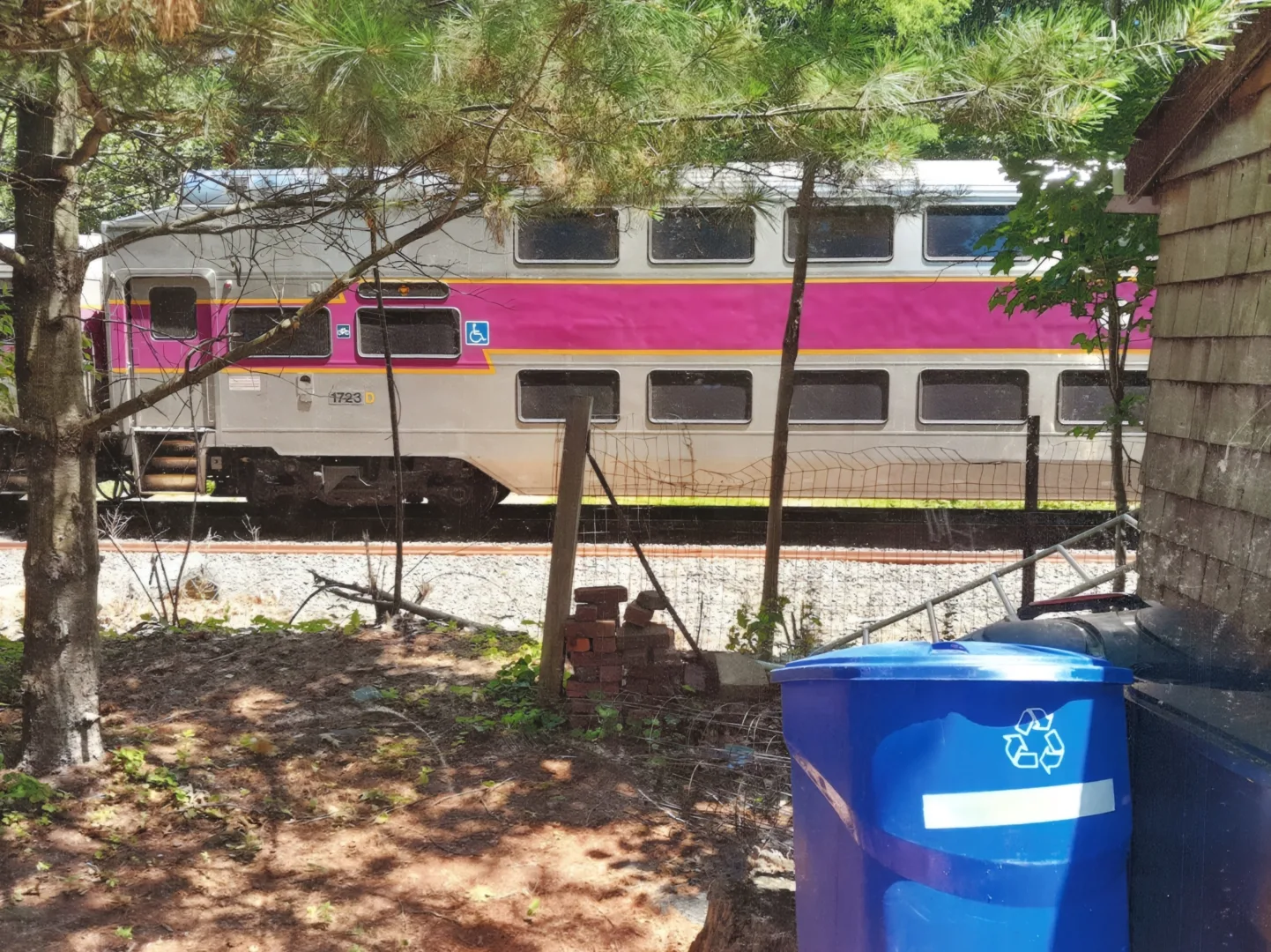
The MBTA plans to construct a 4,500-foot turnback track north of Reading Station to enable 30-minute train service on the Haverhill Line. The project, estimated at $11 million, involves installing new rail, a crossover switch, and a track pan system designed to capture oil drips. The siding would run adjacent to conservation land and near environmental justice (EJ) communities, including the Elderly Tannerville Housing area.
MBTA officials argue the project is critical for rail modernization, citing increased flexibility for riders and long-term goals of electrification. However, electrification remains years away, leaving diesel locomotives as the interim solution.
Key Issues Raised Across Meetings
1. Conservation – Environmental and Wetlands Concerns
At the Conservation Commission hearing, commissioners scrutinized the project’s compliance with the Wetlands Protection Act (WPA) and stormwater standards. While MBTA asserts no work will occur within wetland resource areas, critics argue that prolonged idling near sensitive habitats could create a “zone of disturbance,” impacting wildlife and water quality.
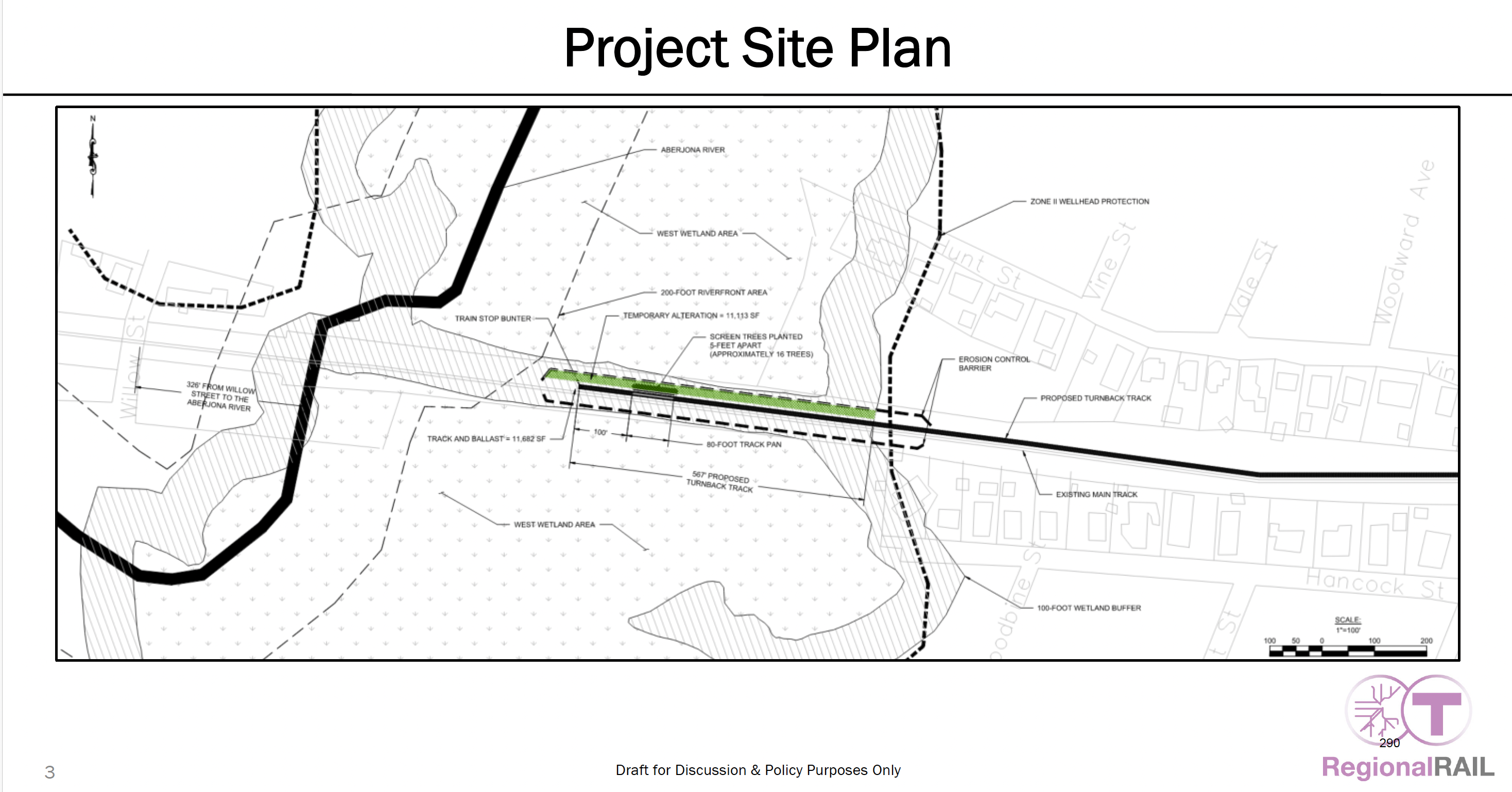
- Stormwater Management: Residents demanded a comprehensive plan addressing runoff, pollutant loads, and spill prevention, especially since the site sits above Zone II drinking water protection areas.
- Wildlife Habitat: Commissioners highlighted studies showing noise and vibration can disrupt bird nesting and amphibian breeding, potentially degrading vernal pools.
- Track Pan Design: Questions arose about whether the proposed 80-foot pan and absorbent mats can withstand heavy rain and prevent oil migration into wetlands.
The Commission voted to continue the hearing to October 22, requesting additional data on stormwater compliance, wetland delineation, and alternative site evaluations.
2. Board of Health – Public Health Risks
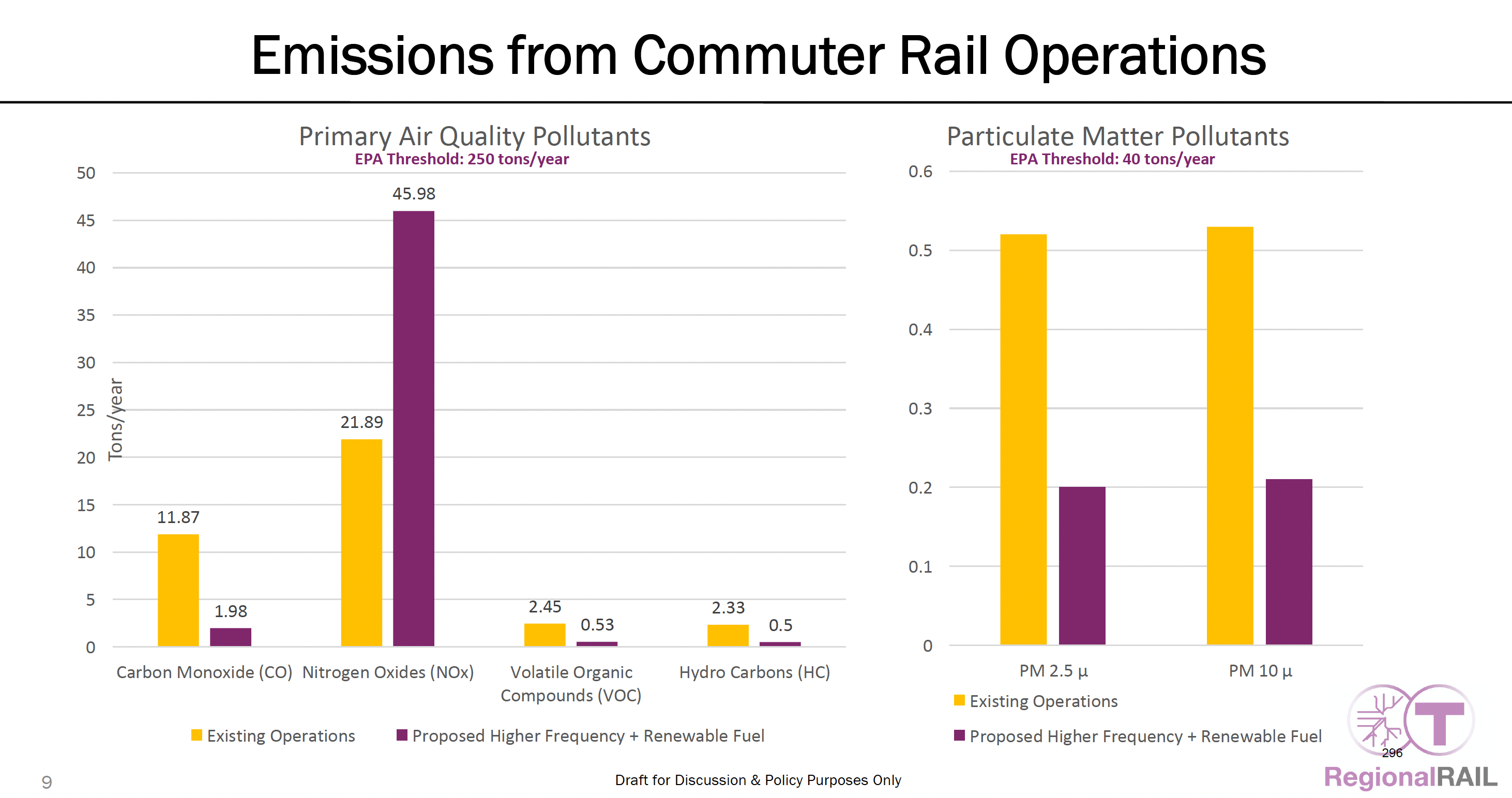
The Board of Health focused on air quality and noise impacts, citing gaps in MBTA’s studies. Residents warned that idling diesel engines could create pollution “hotspots” near homes, Parker Middle School, and EJ neighborhoods.
- Diesel Emissions: Advocates noted that even with renewable diesel, NOx emissions could double, increasing risks of asthma, cardiovascular disease, and cancer.
- Noise Pollution: Seniors and families expressed fears about constant rumbling and vibration disrupting daily life.
- Independent Review: The Board unanimously voted to hire an environmental consultant to analyze MBTA’s data and, if necessary, conduct independent noise and air quality studies. They also agreed to urge the Conservation Commission to delay approval until this review is complete.
3. Select Board – Operational and Community Impact
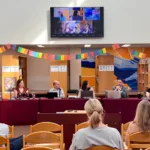
At the Select Board meeting, MBTA representatives defended the project’s necessity, citing policy goals for frequent service. However, residents and board members questioned ridership assumptions and financial prudence.
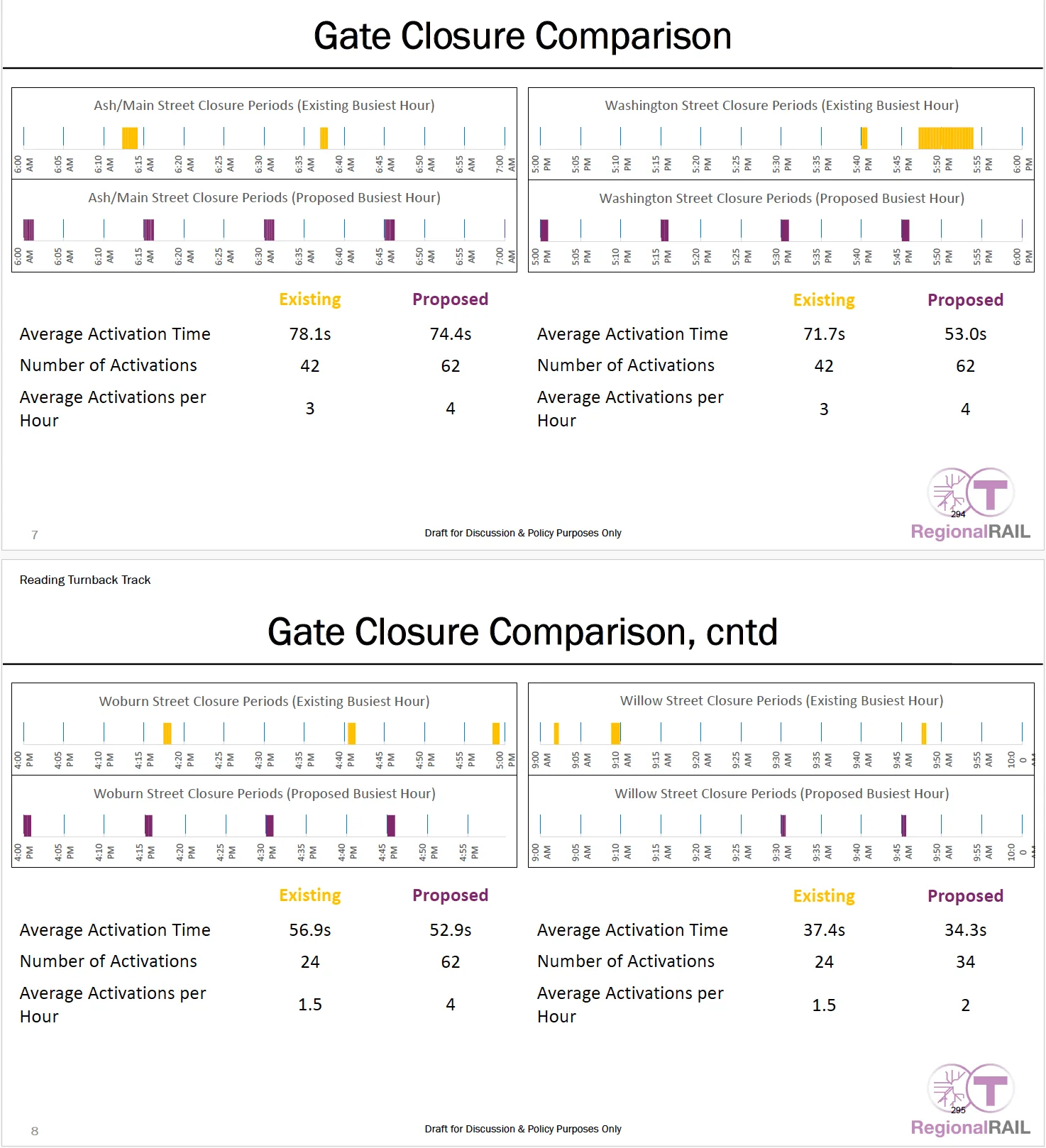
- Traffic Congestion: Gate closures at Woburn and Washington Streets could rise by 40%, raising emergency response concerns.
- Transparency Issues: Frustration mounted over MBTA’s failure to provide raw data from sound and traffic studies, fueling distrust. “This is exactly why the State Auditor flagged MBTA for public trust issues,” Melissa Murphy noted.
- Alternative Solutions: Residents urged prioritizing a new ADA-compliant station rather than investing in a siding through conservation land. MBTA acknowledged station upgrades remain unfunded and could take six years.
During the end of the meeting, Co-Chair Chris Haley pressed MBTA’s Sharon Cranston to redo the noise study after it was revealed that the agency could not confirm which locomotive model was used in the original test because the GPS data had been lost. Haley emphasized that without certainty on whether the loudest engine was tested, the results lacked credibility. He argued that residents deserved a “do-over” to ensure accurate measurements, suggesting the MBTA request its contractor to repeat the study under proper conditions. Sharon acknowledged the frustration and admitted the missing data was a setback but stopped short of committing to a new test, citing logistical challenges and costs.
Community Voices
Dozens of Residents delivered emotional appeals across all forums:
- “Every half hour of idling is like 200 semi-trucks in our neighborhood,” said Aaron Perry, urging an independent health impact review.
- “My backyard hits the tracks. How do I raise my kids with diesel fumes outside our door?” asked McKenzie, a mother of two.
- Others warned of property devaluation, wildlife disruption, and cumulative environmental harm: “This isn’t Field of Dreams. If you build it, they still won’t come,” said Alicia Williams, questioning ridership projections.
Next Steps
- Conservation Commission: Continued hearing on Oct. 22, pending MBTA’s submission of stormwater and wetland data.
- Board of Health: Initiating consultant procurement for independent review.
- Select Board: Considering a joint session with other boards to consolidate concerns and push for transparency.
Bottom Line
The MBTA Turnback Track project has become a flashpoint in Reading, balancing regional transit goals against local environmental and health priorities. With multiple boards signaling caution and residents demanding accountability, the project’s path forward remains uncertain.
To view our dedicated page with all things MBTA, please click here: https://www.readingrecap.com/mbta/