

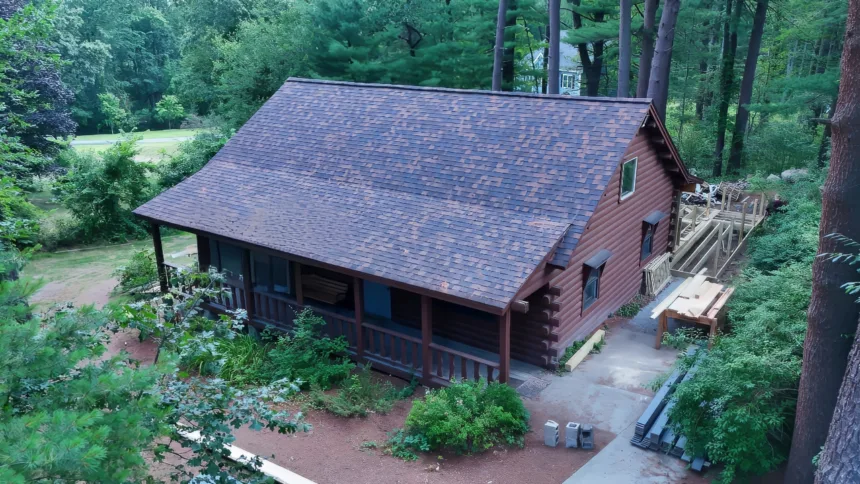
A new private micro-school with a mission rooted in environmental education and accessibility is seeking to establish its home base at Reading’s Mattera Cabin, sparking both enthusiasm and scrutiny from town officials and residents.
The Mulberry Forest School, a nonprofit initiative founded earlier this year, presented its proposal to the Reading Select Board during Tuesday night’s meeting. The school aims to operate a Montessori-inspired, nature-based program for children ages 5 to 8, using the Bare Meadow conservation land as its outdoor classroom and the Mattera Cabin as a shelter during inclement weather.
🌱 A Mission of Stewardship and Inclusion
Mary Jirmanus Saba, PhD, Co-head of School, described the program as a response to the growing need for alternative, accessible education models.
We are creating stewards of the land from a young age,” she said. “Our curriculum is aligned with Massachusetts standards through a Montessori and forest school lens, with a strong emphasis on accessibility.”
The school plans to operate five days a week for 10 months, with students spending the majority of their time outdoors. The cabin would be used primarily during extreme weather and for bathroom access. Saba emphasized that the school would not alter the landscape or restrict public access to the conservation land.
🏞️ Conservation Commission Support
The Reading Conservation Commission, which oversees the Mattera Cabin and surrounding land, has expressed strong support for the proposal. Chair Brian Bowe called the partnership “a mission-aligned use of town conservation land that educates in nature, about nature, and for the benefit of nature.”
Conservation Administrator Chuck Tirone added that the school’s presence could enhance stewardship of the land. “We’re being noticed for our work at Mattera,” he said. “This is what happens when you invest in conservation—people want to be part of it.”
💰 Financial and Safety Concerns Raised
Despite the enthusiasm, several board members and residents raised concerns about the financial terms of the proposed agreement. The school initially suggested a fee of $3,000 to $5,000 for the year, which some felt was too low for the level of access being requested.
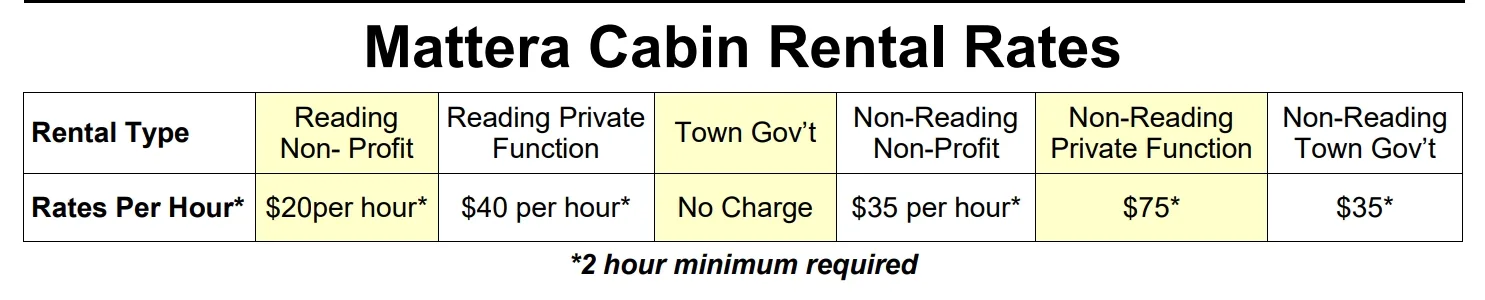
Select Board Co-Chair Chris Haley emphasized the need for fairness. “We can’t set a precedent that undercuts other nonprofits,” he said, noting that other Reading-based organizations pay significantly more for access to other facilities.
Co-Chair Melissa Murphy also raised questions about liability, emergency access, and the proximity of the site to an active deer hunting zone. “We need to hear from public safety officials,” she said. “We’re talking about young children on public land.”
🧪 A Pilot Year and Path Forward
The school is proposing a pilot year beginning this fall, with an anticipated enrollment of 10 students to start. Saba said the school would adjust its use of the cabin based on weather and would clean the facility daily. She also offered pro bono grant writing services to the Conservation Commission as part of the partnership.
The Select Board does not have jurisdiction over the conservation land but was asked to weigh in on the proposal. While no vote was taken, the board signaled cautious support, contingent on a fair licensing agreement, safety planning, and school accreditation through the Reading School Committee.
Town Manager Matt Kraunelis confirmed that a license agreement would be drafted in consultation with town counsel and that a Development Review Team (DRT) meeting would be scheduled to address logistics and safety.
🗣️ Community Response
Public comments were largely supportive, with several residents praising the school’s mission and the opportunity to better utilize the often-vacant Mattera Cabin. “This is a win-win,” said Conservation Commission member Walter Talbot. “It’s a great opportunity for kids who can’t be mainstreamed.”
Others urged the town to ensure that the agreement reflects the true value of the space. “We need to be fair to all Reading residents and nonprofits,” said resident Marianne Downing.
Joseph Fleury, associate member of the Conservation Commission, offered conditional support:
Programs like this help children build meaningful, lasting relationships with nature and instill the values of inclusive stewardship from a young age. I support continuing to explore this innovative partnership—contingent on a fair and transparent licensing process.”
📅 What’s Next?
The Mulberry Forest School must still finalize its licensing agreement, complete safety reviews, and receive approval from the Reading School Committee. If successful, the school could begin operations as early as September 2025.