“Joint Meeting Highlights Potential Service Cuts, Staffing Reductions, and Need for Long-Term Financial Planning“
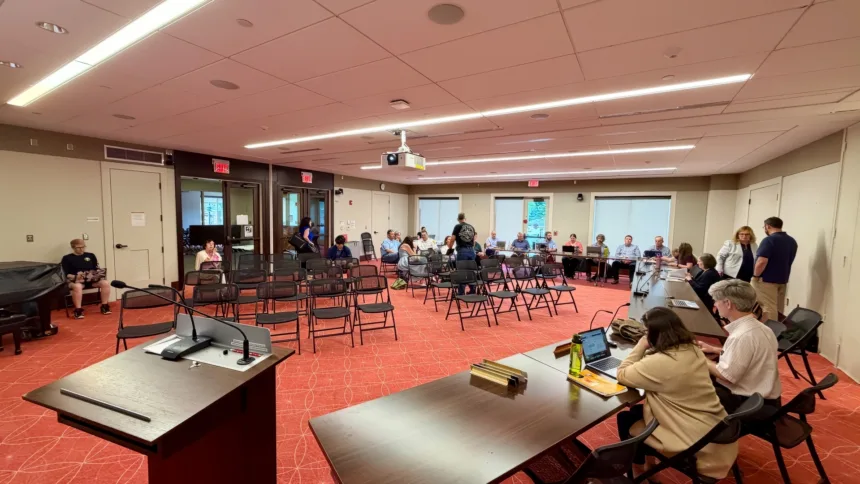
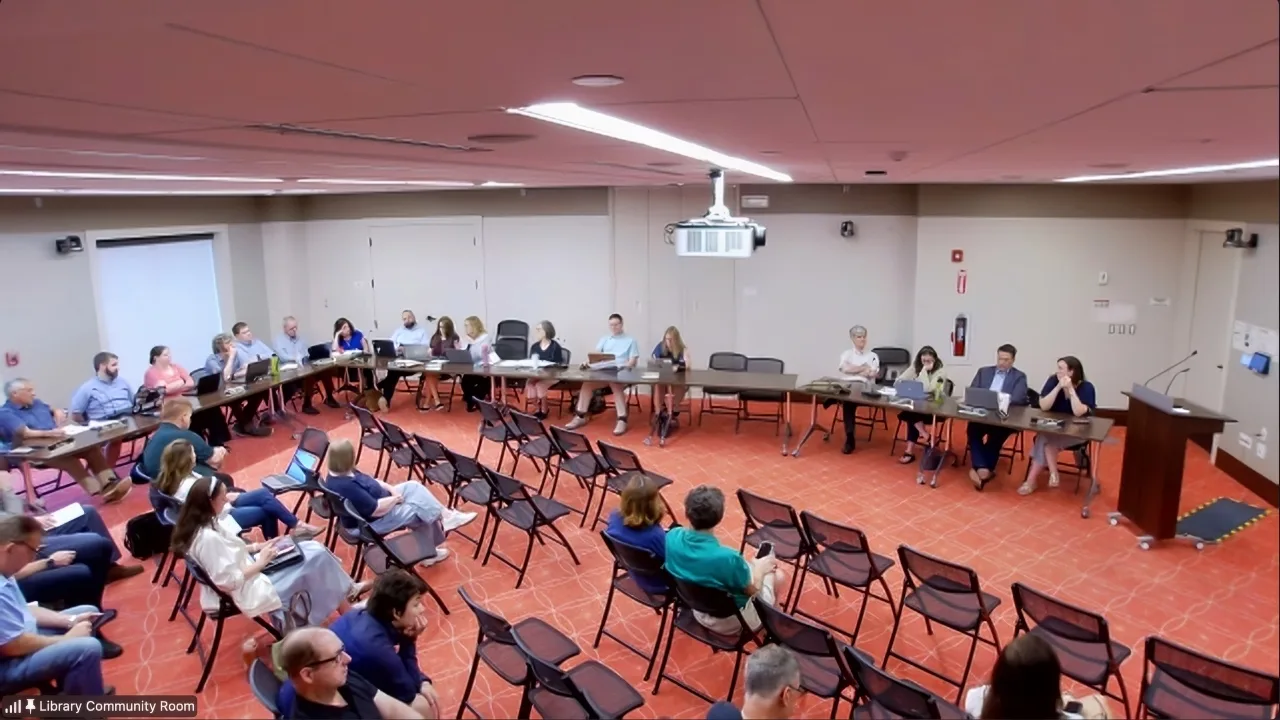
Town officials are considering a significant Proposition 2½ override as they confront growing budget pressures, rising operating costs, and the financial impact of new municipal facilities expected to come online in the coming years. The discussion took place during a joint meeting of the Finance Committee, Select Board, and School Committee focused on long-range financial forecasting and the development of the fiscal year 2028 budget.
During the meeting, officials reviewed projections showing that Reading faces a structural budget deficit driven by inflationary pressures, increasing healthcare and technology costs, stagnant state aid, and the operating expenses associated with recently completed and upcoming capital projects. Town leaders discussed several override scenarios, including potential requests of approximately $7.5 million, $10 million, and $12 million. According to the presentation, each option would have varying impacts on residential tax bills and municipal services.
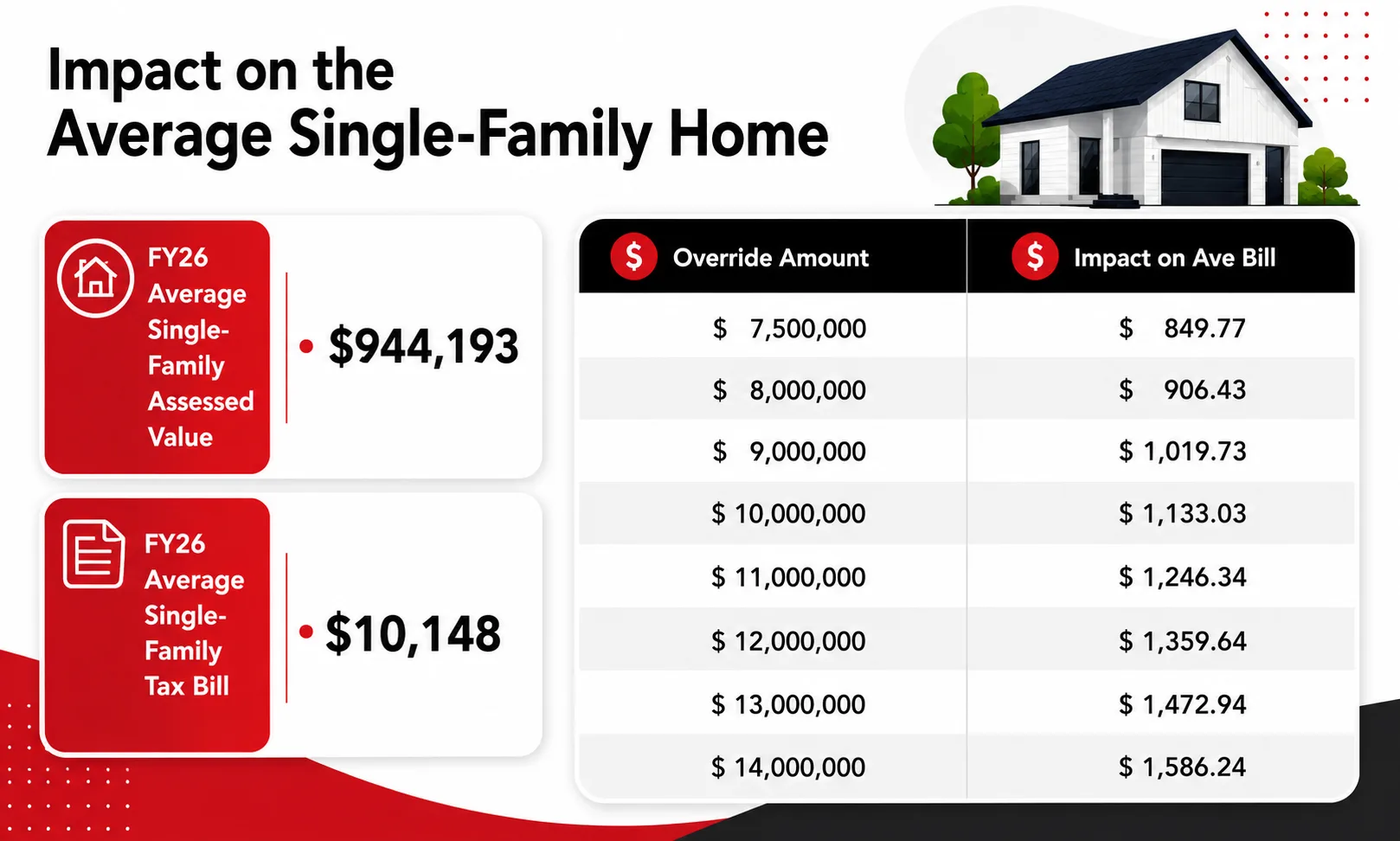
The discussion centered on balancing community expectations with fiscal realities. Officials noted that without additional revenue, significant reductions across town and school operations may be necessary. Potential cuts discussed included reductions to library hours, community center programming, recycling services, elder and human services programs, and public safety-related expenses such as overtime and community event details. Staffing reductions across municipal departments and schools were also identified as a possibility if an override is not approved.
Finance officials outlined a recommended budget approach that would provide a 3.75 percent overall increase while funding approximately $917,000 in community priorities. School spending would increase by roughly 5.25 percent under that proposal, helping maintain existing educational programming and services. Officials emphasized that schools and municipal departments have already worked to contain costs, leaving fewer options for future reductions without affecting services.
Board members also debated how an override question should be presented to voters. Some participants discussed whether a tiered approach could provide residents with multiple funding options tied to different service levels, while others argued for presenting a single amount that reflects the town’s actual long-term needs. Several officials expressed concern that repeated override requests in future years could create uncertainty and make financial planning more difficult.
A recurring theme throughout the meeting was the importance of transparency with residents. Officials stressed that voters should understand both the benefits of an override and the consequences of not approving one. Members discussed the need for extensive public outreach, including community presentations and educational materials that would clearly explain how additional revenue would be spent and what services could be affected if funding is not available.
The timeline for making a decision is relatively short. Town Manager Jayne Wellman noted that an override proposal must be finalized and submitted to the state by early August in order to appear on the November ballot. In the coming weeks, the boards are expected to continue refining budget projections, evaluating service priorities, and determining what level of funding request, if any, should be presented to voters.
The discussion underscored the challenges facing Reading as officials attempt to maintain service levels while managing rising costs. As the budget process moves forward, town leaders will be tasked with determining whether an override is necessary and, if so, how best to communicate that need to residents ahead of a potential November vote.